$116.99
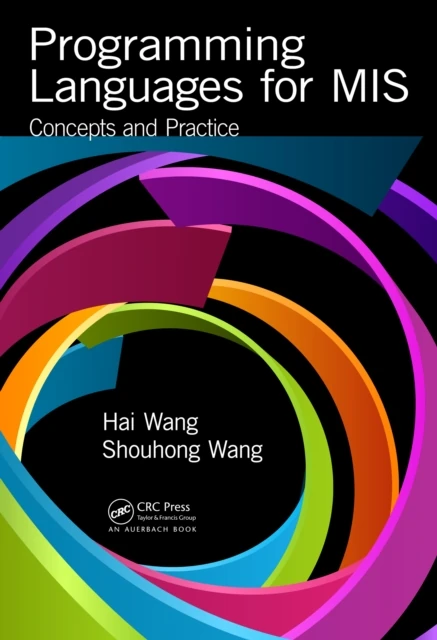
Programming Languages for MIS
Concepts and Practice

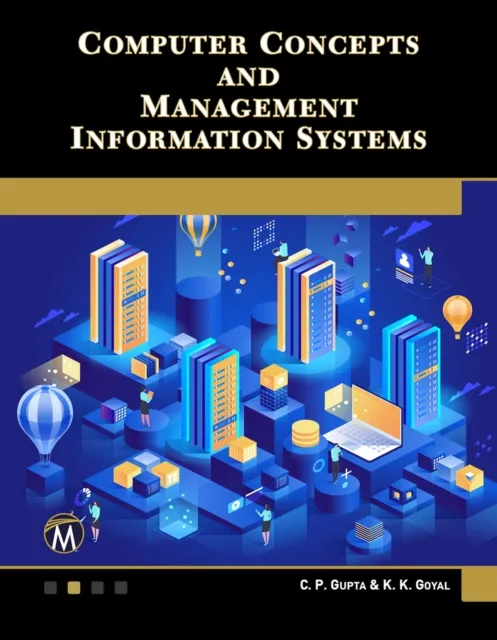
Programming Languages for MIS: Concepts and Practice
supplies a synopsis of the major computer programming languages, including C++, HTML, JavaScript, CSS, VB.NET, C#.NET, ASP.NET, PHP (with MySQL), XML (with XSLT, DTD, and XML Schema), and SQL. Ideal for undergraduate students in IS and IT programs, this textbook and its previous versions have been used in the authors’ classes for the past 15 years.
Focused on web application development, the book considers client-side computing, server-side computing, and database applications. It emphasizes programming techniques, including structured programming, object-oriented programming, client-side programming, server-side programming, and graphical user interface.
Key Features
Introduces the basics of computer languages along with the key characteristics of all procedural computer languages
Covers C++ and the fundamental concepts of the two programming paradigms: function-oriented and object-oriented
Considers HTML, JavaScript, and CSS for web page development
Presents VB.NET for graphical user interface development
Introduces PHP, a popular open source programming language, and explains the use of the MySQL database in PHP
Discusses XML and its companion languages, including XSLT, DTD, and XML Schema
Learning Outcomes
With this book, students learn the concepts shared by all computer languages as well as the unique features of each language. This self-contained text includes exercise questions, project requirements, report formats, and operational manuals of programming environments. A test bank and answers to exercise questions are also available upon qualified course adoption.
This book supplies professors with the opportunity to structure a course consisting of two distinct modules: the teaching module and the project module. The teaching module supplies an overview of representative computer languages. The project module provides students with the opportunity to gain hands-on experience with the various computer languages through projects.