$50.99
Asia's Trouble Spots
The Leadership Question in Conflict Resolution

Introduction
The art of successful negotiations over protracted conflicts presupposes a political commitment to peace and a willingness to compromise, which are sorely lacking in the current disorderly world. Part of the blame for this lies in weak and ineffective national and global leadership.
Unique Focus of the Book
This book’s sharp focus on the role of leadership at different levels—national government, rebel and Western/regional government mediators—as well as that of the UN and non-governmental players in settling intra-state disputes, is a unique feature which sets it apart from others. Much of the existing literature does not adequately discuss the role of the above actors in developing countries.
Asia’s Trouble Spots
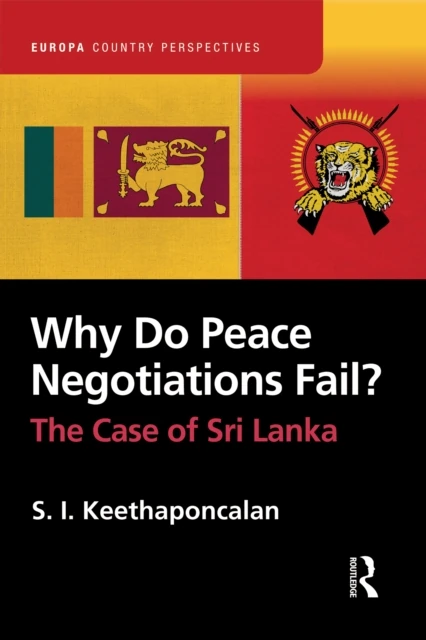
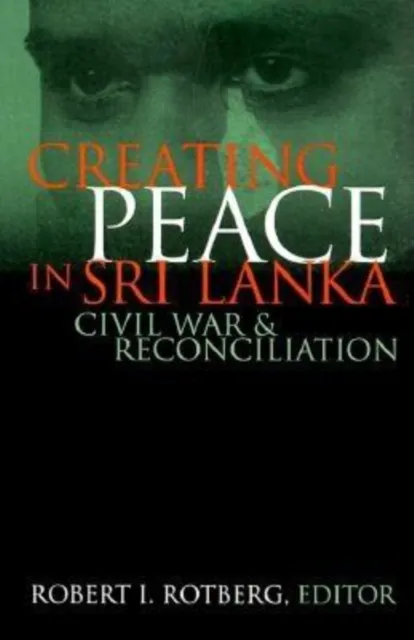
Asia’s Trouble Spots is a serious attempt to fill this gap. The seven country studies in Asia—Myanmar, Indonesia, Philippines, Thailand, Sri Lanka, India and China—discuss, inter alia, how peace negotiations between national political and rebel leaders have unfolded. The role of state-sponsored cross-border terrorists and non-state spoilers such as Al-Qaeda and ISIS is addressed in the context of geopolitical rivalry among regional and global powers.
Western Mediation and Challenges
A. S. Bhalla challenges the view that Western leaders can act as impartial mediators in intra-state and inter-state disputes. With few exceptions, their record has been dismal at best. Their failure in conflict resolution arises from a loss of moral authority and credibility, which follows the gradual erosion over the years of such liberal values as the rule of law and respect for democracy and human rights. Commercial and strategic self-interests have also tended to undermine peacebuilding efforts.