$63.99
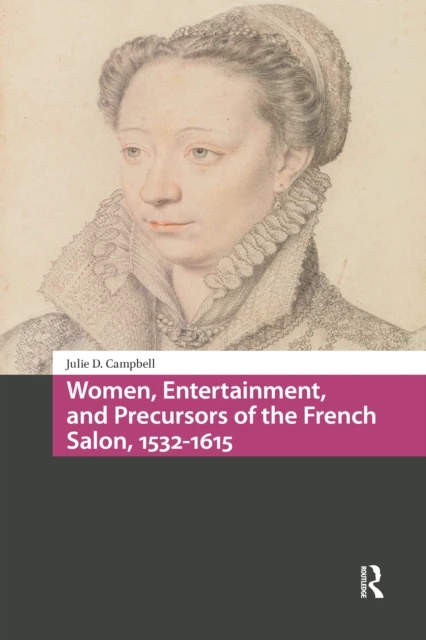
Women, Entertainment, and Precursors of the French Salon, 1532-1615

Introduction
This study of ludic literary society in sixteenth-century France addresses Italianate practices of philosophical and literary sociability as they took root there. It asserts that entertainment activities of women-led circles illustrate the richly complex precursors of the seventeenth-century salons.
Theoretical Foundations
Notions from the philosophy of play, such as those developed by Johan Huizinga, Eugen Fink, and Roger Caillois, who argue that play is critically intertwined with the development of society, provide a theoretical path across these periods of women's engagement in literary culture.
Historical Context
The barrister Estienne Pasquier, whose voluminous network of literary and legal connections permitted him entry into the society of such women, acts as an eyewitness to sixteenth-century circles.
Conclusion
Ultimately, we see that the ludic activities in such society produced powerful influences that extended beyond the confines of the groups in question to shape ideas, attitudes, and activities—such as those of the salon cultural norms to come.