$132.99
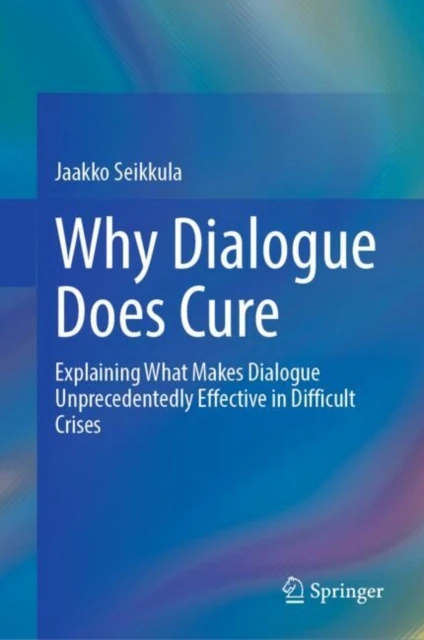
Why Dialogue Does Cure
Explaining What Makes Dialogue Unprecedentedly Effective in Difficult Crises

Open Dialogue and Its Effectiveness
This book presents the core elements of Open Dialogue – an innovative system of mental health care initially developed in Western Lapland, Finland, and spread into about 40 countries – and explains why dialogic practice can be so effective in the treatment of difficult mental health crises. As Dr. Seikkula explains in this book, Open Dialogue is both a way of organizing psychiatric care and a form of dialogic psychotherapy. The basic idea behind Open Dialogue is that discussions with the client seeking help, their family and other social networks are open to all. Nothing about the client''s care is discussed without his or her presence. In addition, the basic idea of Open Dialogue is that clinicians work together as a team, participating in all the therapy meetings where the problems that led to the client''s need for help are discussed.
Over the last couple of decades, the distance between the humanistic dialogical approach and conventional treatment has only increased. So, the aim of this book is to shorten this distance by describing in a concise way why dialogic practice can be so effective to treat challenging mental health conditions, such as psychosis. Dr. Seikkula explains why in dialogic practice it is possible to achieve a recovery that cannot be imagined in conventional psychiatry. In other words: why dialogue does cure.
Why Dialogue Does Cure: Explaining What Makes Dialogue Unprecedentedly Effective in Difficult Crises will be a mandatory reference for clinical psychologists, psychiatrists, psychotherapists, occupational therapists, mental health nurses, social workers and all mental health professionals interested in learning about the nuts and bolts of the Open Dialogue approach and adopting a system of care that does not focus on eliminating the symptoms of the one in need for help, but on meeting the full human.