$27.99
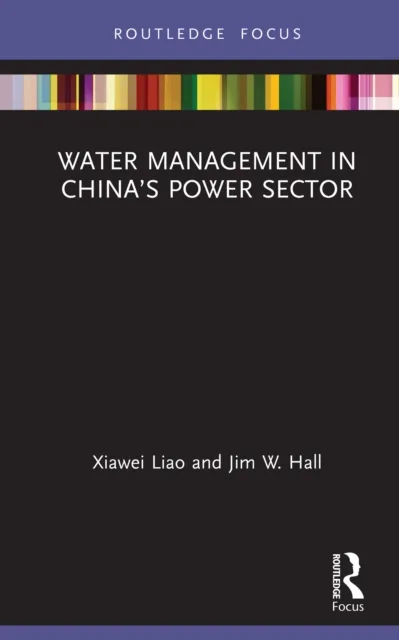
Water Management in Chinaa s Power Sector

Water Resource Management in China's Electric Power Sector
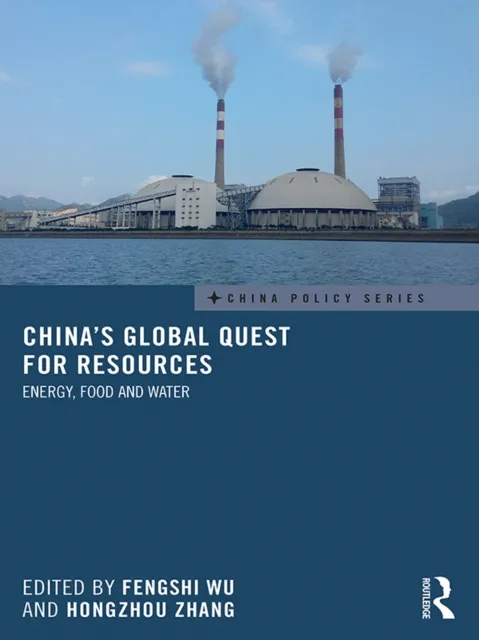
This book examines water resource management in China’s electric power sector and the implications for energy provision in the face of an emerging national water crisis and global climate change.
Coal Dependency and Water Usage
Over 75% of China’s current electricity comes from coal. Coal-fired power plants are reliant on water, with plants using significant volumes of water every year, yet water resources are unevenly distributed. In the face of serious environmental concerns and increasing electricity demand, this book examines the environmental impacts that coal power plants have on water resources and the impact water availability has on the electricity sector in a country with a significant number of water-scarce provinces and a large number of power plants located on inland waterways. It discusses the water impacts and constraints for transforming the electric power sector away from coal to renewable energy sources, such as hydropower and concentrated solar power. The book adopts a mix-method approach, combining a plant-level quantitative analysis on water impacts and dependencies in China’s electricity sector and a qualitative analysis of relevant institutions in both sectors. By reviewing policy and institution cases in China’s water and electricity sectors, the book provides important recommendations calling for coordinated institutions to shift away from the current paradigm where water and electricity are governed independently.
Target Audience
Enriching the water-energy nexus literature, this book will be of great interest to students and scholars working on water resource management, energy industries and Chinese environmental policy, as well as policymakers and practitioners in those fields.