$61.99
Water Conflicts and Resistance
Issues and Challenges in South Asia

Overview
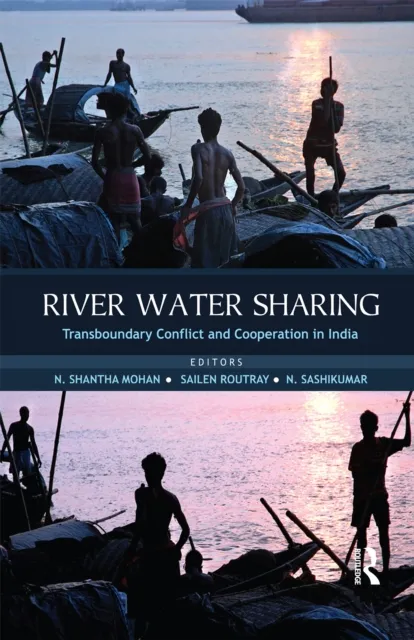
This book presents a systematic study of transboundary, regional and local water conflicts and resistance across several river basins in South Asia. Addressing hydro-socio-economic aspects in competing water sharing and transfer agreements, as well as conflicting regimes of legal plurality, property rights and policy implementation, it discusses themes such as rights over land and natural resources; resettlement of dam-displaced people; urban–rural conflicts over water allocation; peri-urbanisation, land use conflicts and water security; tradeoffs and constraints in restoration of ecological flows in rivers; resilience against water conflicts in a river basin; and irrigation projects and sustainability of water resources.
Analysis and Debates
Bringing together experts, professionals, lawyers, government and the civil society, the volume analyses water conflicts at local, regional and transboundary scales; reviews current debates with case studies; and outlines emerging challenges in water policy, law, governance and institutions in South Asia. It also offers alternative tools and frameworks of water sharing mechanisms, conflict resolution, dialogue, and models of cooperation and collaboration for key stakeholders towards possible solutions for effective, equitable and strategic water management.
Intended Audience
This book will be useful to scholars and researchers of development studies, environment studies, water studies, public policy, political science, international relations, conflict resolution, political economy, economics, sociology and social anthropology, environmental law, governance and South Asian studies. It will also benefit practitioners, water policy thinktanks and associations, policymakers, diplomats and NGOs.