$390.99
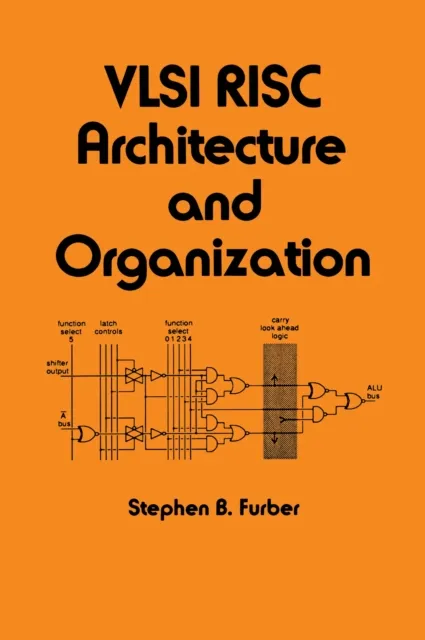
VLSI Risc Architecture and Organization

Introduction
With the expectation that architectural improvements will play a significant role in advancing processor performance, it is critical for readers to maintain an up-to-date, unified overview of technological advances in this vital research area. Gathering into one place material that had been scattered throughout the literature making it difficult to obtain detailed information on computer designs—this important book describes the main architectural and organizational features of modern mini- and microcomputers. In addition, it explains the RISC philosophy by supplying historical background information and excellent examples of several commercially available RISC microprocessors.
VLSI RISC Architecture and Organization
Limiting attention to VLSI implementations of RISC processors, VLSI RISC Architecture and Organization offers insight into design issues that arose in developing a RISC system, using the VLSI RISC chip set developed at Acorn Computers Limited as an example ... discusses options considered during the design process, the basis for the decisions made, and implementation details ... describes contemporary RISC architecture, comparing and contrasting different designs ... and looks at future trends in RISC research.
Scope and Audience
Discussing the topic cohesively and comprehensively—from initial study into reduced instructions sets to the widespread introduction of RISC architectures into mainstream computer products—VLSI RISC Architecture and Organization is an invaluable reference for electrical, electronics, and computer engineers; computer architects and scientists; hardware systems designers; and upper-level undergraduate and graduate students in computer science and electrical engineering courses.