$83.99
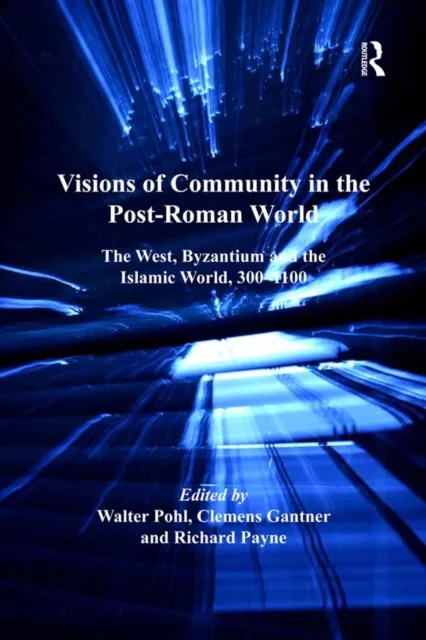
Visions of Community in the Post-Roman World
The West, Byzantium and the Islamic World, 300–1100

Overview
This volume looks at visions of community in a comparative perspective, from Late Antiquity to the dawning of the age of crusades. It addresses the question of why and how distinctive new political cultures developed after the disintegration of the Roman World, and to what degree their differences had already emerged in the first post-Roman centuries.
Historical Context
The Latin West, Orthodox Byzantium and its Slavic periphery, and the Islamic world each retained different parts of the Graeco-Roman heritage, while introducing new elements. For instance, ethnicity became a legitimizing element of rulership in the West, remained a structural element of the imperial periphery in Byzantium, and contributed to the inner dynamic of Islamic states without becoming a resource of political integration. Similarly, the political role of religion also differed between the emerging post-Roman worlds.
Research and Contributions
It is surprising that little systematic research has been done in these fields so far. The 32 contributions to the volume explore this new line of research and look at different aspects of the process, with leading western Medievalists, Byzantinists and Islamicists covering a wide range of pertinent topics.
Emerging Patterns
At a closer look, some of the apparent differences between the West and the Islamic world seem less distinctive, and the inner variety of all post-Roman societies becomes more marked. At the same time, new variations in the discourse of community and the practice of power emerge.
Implications
Anybody interested in the development of the post-Roman Mediterranean, but also in the relationship between the Islamic World and the West, will gain new insights from these studies on the political role of ethnicity and religion in the post-Roman Mediterranean.