$73.99
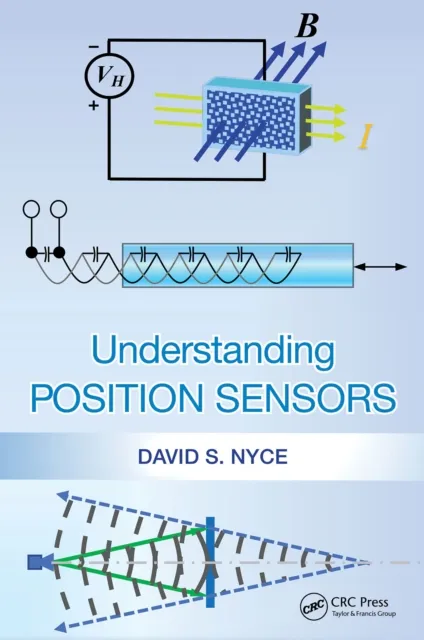
Understanding Position Sensors

As the definitive resource on position sensing technology, Understanding Position Sensors encompasses all aspects necessary for a full understanding of the field, with topics of background, operational theory, design, and application.
While grasping the theory of technologies used in the measurement of linear and angular/rotary position sensors, the reader will also learn about terminology, interfacing, testing, and other valuable concepts that are useful in the understanding of sensors in general.
The first three chapters provide readers with the necessary background information on sensors. These chapters review the working definitions and conventions used in sensing technology; specification of position sensors and the effect on performance; and sensor output types, plus an extensive section covering communication protocols. The remaining chapters describe each separate sensor technology in detail. These include resistive sensors, cable extension transducers, capacitive sensors, inductive sensors, LVDT and RVDT sensors, distributed impedance sensors, Hall effect sensors, magnetoresistive sensors, magnetostrictive sensors, linear and rotary encoders, optical triangulation position sensors, and ultrasonic position sensors.
- Presents sensor specification, theory of operation, sensor design, and application criteria
- Reviews the background history of position sensors as well as the underlying engineering techniques
- Includes end-of-chapter exercises
Understanding Position Sensors is written for electrical, mechanical, and material engineers, as well as for engineering students who are interested in understanding sensor technologies, and can be used as a textbook for an engineering course on sensor technology.