$63.99
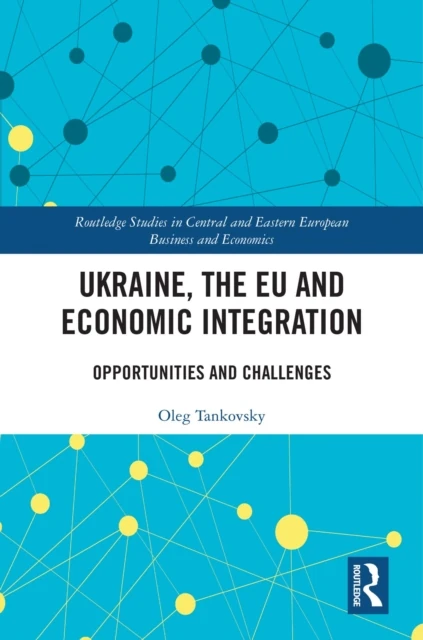
Ukraine, the EU and Economic Integration
Opportunities and Challenges

Introduction
This book addresses a central puzzle in the study of European integration: why have some post-communist countries successfully embedded democratic and market institutions after EU accession or candidacy, while others have faltered or regressed?
Methodology
This book utilizes principal component analysis to create a unique composite indicator for EU integration readiness, offering a novel approach to assessing economic and social factors.
Comparative Study
It provides an extensive comparative study of Ukraine's integration readiness alongside Croatia, Serbia, Montenegro, Albania, Bosnia, and Macedonia. It goes beyond economic indicators, addressing non-economic obstacles such as identity-seeking problems and oligarchic ecosystems, making it a holistic resource for understanding the complexities of EU integration.
Theoretical Framework
Introducing the original distinction between self-contained and exported Europeanisation, this book offers a new comparative framework that explains divergent integration outcomes across Central and Eastern Europe and the Western Balkans.
Analysis and Insights
By combining theory-driven analysis with country case studies, it demonstrates how the balance between domestic political commitment and EU conditionality shapes long-term integration success.
Target Audience
Bridging economics, European studies, comparative politics, and international political economy, this timely book speaks to scholars, students, and policymakers interested in the future of Europe's eastern frontier.