$108.99
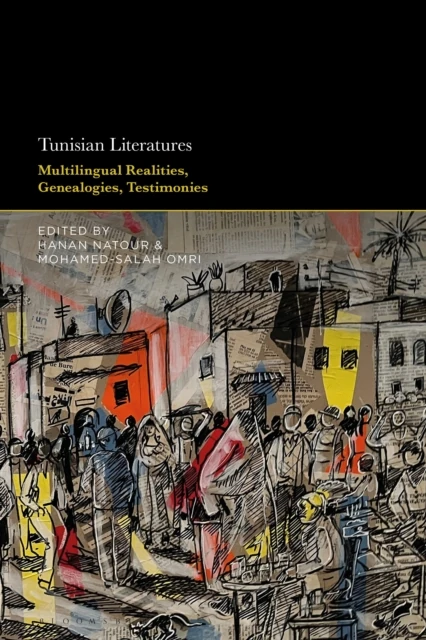
Tunisian Literatures
Multilingual Realities, Genealogies, Testimonies

Introduction
This carefully curated collection is the first English-language volume focusing on the varieties of modern Tunisian literatures.
Unlike most national literatures in the Middle East and North Africa, Tunisian literature roams large across languages and modes. Yet, its study remains fragmented along linguistic divisions, selective and woefully underrepresented in the anglophone world. Tunisian Literatures aims to redress this imbalance and fill this gap not by moving away from canonical figures and case studies but by being inclusive, open and dynamic.
Content Overview
The 13 chapters of this volume explore the multiple facets of Tunisian literature in the modern period, from the anti-colonial movement of the first half of the 20th century to the present, embracing its plurilinguality, its literary historical genealogies and testimonial functions during times of profound political and social change. The chapters cover poetry, fiction and drama written in Arabic, French and variations of the local dialect (darija).
Approaches and Perspectives
The contributors approach Tunisian literatures from various angles: introducing concepts and formative authors and trends, and considering Tunisian literature in light of foundational historical and political events, such as the country´s independence in 1956 and the Uprisings of 2010-11, referred to in Tunisia as the Revolution (thawra). Together, these perspectives set the ground for a discussion of Tunisian literary voices within their significant geographies, locally and globally. They also pay special attention to points of intersection and confluence within this multilingual literary corpus.


