$46.99
$71.99
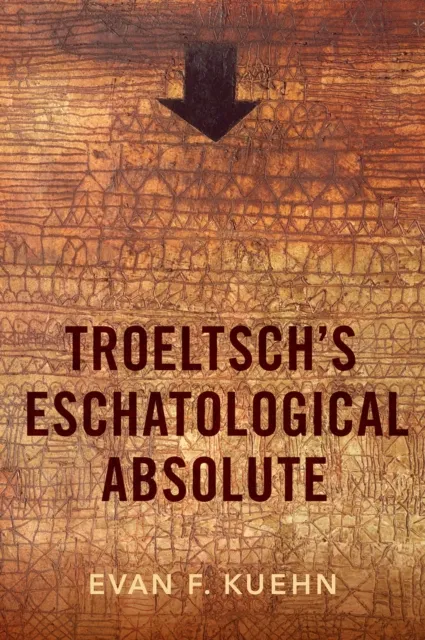
Troeltsch's Eschatological Absolute

Ernst Troeltsch and Modern Protestant Theology
Ernst Troeltsch is widely recognized as having played an important role in the development of modern Protestant theology, but his contribution is usually understood as largely critical of traditional modes of theological inquiry. He is best known for his historicist critique of dogmatic theology, and seen either as the closing chapter of nineteenth-century liberalism, or as a proto-postmodernist. Central to this pivotal period in modern theology stands the problem: how can we articulate a doctrine of ultimate reality such that a meaningful and coherent account of the world is available without our understanding of God thereby becoming conditioned by the world itself?
Evan Kuehn's Analysis of Troeltsch's Theology
Evan Kuehn demonstrates that historiographical assumptions about twentieth-century religious thought have obscured the coherence and relevance of Troeltsch's understanding of God, history, and eschatology. An eschatological understanding of the Absolute, Kuehn contends, stands at the heart of Troeltsch's theology and the problem of historicism with which it is faced. Troeltsch's eschatological Absolute must be understood in the context of questions that were being raised at the turn of the twentieth century both by research on New Testament apocalypticism, and by modern critical methodologies in the historical sciences. His theory of the Absolute is central to his views on religion and religious ethics and provides practitioners of constructive studies in religion with important resources for engaging with sociological and historical studies, where Troeltsch's status as a classical figure is widely recognized.