$104.99
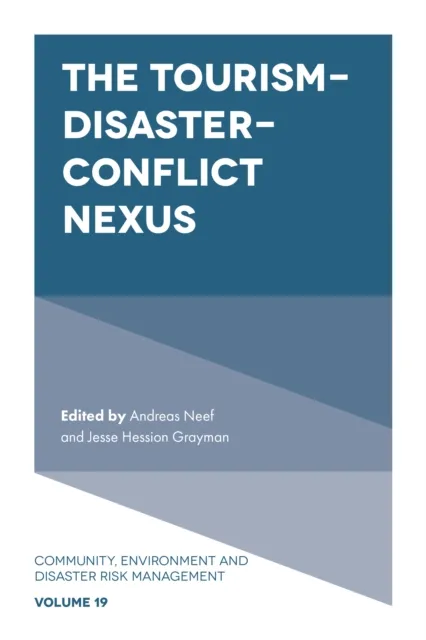
Tourism-Disaster-Conflict Nexus

Introduction
This volume sheds light on the complex linkages between tourism, disaster and conflict. In many countries, tourism crises have been precipitated by natural disasters. At the same time, the tourism industry has often been assigned a pivotal role in the reconstruction and recovery efforts.
Tourism and Post-Disaster Support
Prospective tourists have been lured into supporting post-disaster rehabilitation simply through visiting disaster-affected areas. Yet, prioritising the tourism sector in the recovery process may have unintended consequences: less touristic areas that have been severely affected by the disaster may receive less humanitarian relief support.
Uneven Recovery Processes
Disaster recovery processes in the tourism industry can also be highly uneven, as multinational hotel chains tend to recover more swiftly and increase both their market share and their control over important resources. Politically well-connected tourist operators and wealthy local elites tend to exploit distorted recovery governance mechanisms and take advantage of the legal and institutional uncertainties triggered by disasters.
Exploitation of Land Rights and Conflict
Insecure, customary land rights of ethnic minority groups and indigenous people may be particularly prone to exploitation by opportunistic tourist operators in the aftermath of a disaster. When disasters strike settings of pre-existing conflict, they may exacerbate the situation by increasing competition over scarce resources and relief funds, or they may catalyse conflict resolution following an intolerable excess of additional suffering among fighting parties.
Tourism in Post-Conflict Settings
Tourism ventures may offer post-conflict livelihood opportunities, but potentially trigger new conflicts. Disasters may instigate a morbid “dark tourism” industry that invites visitors to enter spaces of death and suffering at memorials, graves, museums, and sites of atrocity.