$61.99
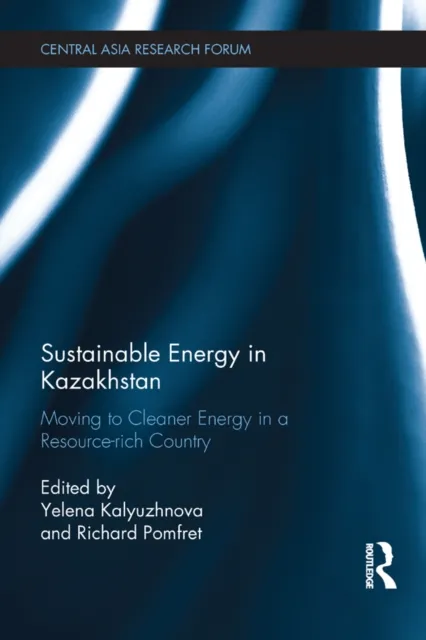
Sustainable Energy in Kazakhstan
Moving to cleaner energy in a resource-rich country

Overview of Kazakhstan's Energy Resources
Kazakhstan is rich in natural resources including coal, oil, natural gas and uranium and has significant renewable potential from wind, solar, hydro and biomass. In spite of this, the country is currently dependent upon fossil fuels with coal-fired plants accounting for 75% of total power generation leading to concerns over greenhouse gas emissions and impacts on human health and the environment.
Analysis of the Global Energy Shift
This book analyses the implications of the global shift to cleaner energy for a country whose economy has centred on hydrocarbon exports. The challenge is urgent for Kazakhstan, whose recent economic growth has driven increased demand for energy services, making the construction of additional generating capacity increasingly necessary for enabling sustained growth. In this context, renewable energy resources are becoming an increasingly attractive option to help bridge the demand-supply gap. Chapters written by experts in the field provide a comprehensive review of the current energy situation in Kazakhstan including fossil energy and renewable resources and analyses policy drivers for the energy sector. Emphasising that clean energy covers a variety of renewables, as well as cleaner use of hydrocarbons, this book argues that future technological change will affect the relative attractiveness of the various choices.
Target Audience and Relevance
Recognising technical, geographical and domestic and international political constraints on policymakers’ options, this book will be of interest to an interdisciplinary audience in the fields of resource management and clean energy, development economics and Central Asian Studies.