$57.99
Sustainability and Development of Ancient Economies
Analysis and Examples

Drawing on modern economic theory
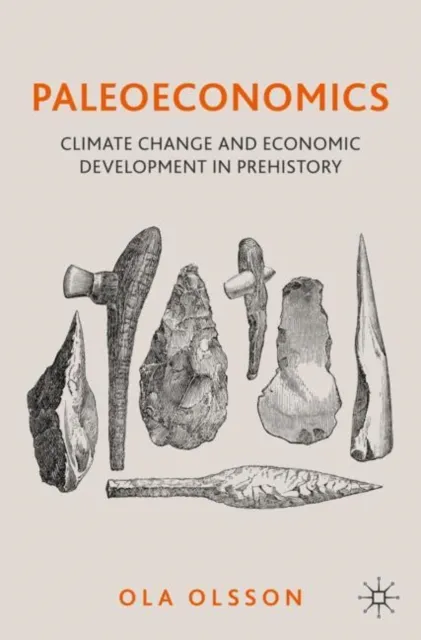
This book provides new insights into the economic development of ancient economies and the sustainability of their development. The book pays particular attention to the economics of hunting and gathering societies and their diversity. New ideas are presented about theories of the transition from hunting and gathering to agriculture, including Childe’s theory of this development.
The Agricultural Revolution and economic development
The Agricultural Revolution was a major contributor to economic development because in most cases, it generated an economic surplus. However, as shown, income inequality was a necessary condition for the use of this surplus to promote economic development and to avoid the Malthusian population trap. This inequality was evident in the successful operation of the palatial economies of the Minoan and Mycenaean states.
Post-agricultural economies and their sustainability
Nevertheless, some post-agricultural economies proved to be unsustainable, and they "mysteriously" disappeared. This happened in the case of the Silesian Únětice culture and population. Economic and ecological reasons for this are suggested.
Trade and economic development
The nature of economic development altered with increased trade, the use of barter, and subsequently the supply of money to facilitate this trade. These developments are examined in the context of the palatial economies of Mesopotamia and Egypt. Elsewhere, multinational business made a substantial contribution to the economic growth of Phoenicia, where international trade was not determined by its natural resource endowments. Thus, Phoenician economic exchange and development provides a different set of insights.
Interdisciplinary contributions
The book makes an important contribution to the understanding of the evolution of human societies and will therefore be of interdisciplinary interest including economists (especially economic historians), anthropologists and sociologists, some archaeologists, and historians.