£109.50
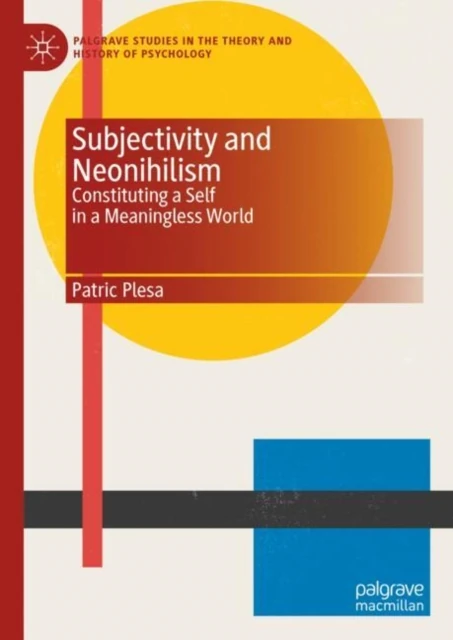
Subjectivity and Neonihilism
Constituting a Self in a Meaningless World

Subjectivity and Neonihilism
Subjectivity and Neonihilism examines the current Western sociopolitical climate, revealing how it shapes who we are, how we think of ourselves, and how we create meaning in a seemingly meaningless world. Drawing on critical theory, this book looks at some of the social inequities produced under neoliberal capitalism and the ways these problems are internalized into subjectivity as the neoliberal self. Neoliberal cultural values are shown to reframe social inequities as personal problems and simultaneously create a sense of personal responsibility for solving them within the self, rather than addressing them externally. The author argues that current crises in meaning making and mental health have been exacerbated by the neoliberal values of individualization, responsibilization, self-governance, and competition.
Structure and Themes
Divided into 3 parts, this book begins by outlining the emergence of subjectivity and technologies of the self. It demonstrates how the sociopolitical conditions that amplify social inequities intwine with the hyperawareness of the internet age to create an atmosphere of meaninglessness that is pervasive on social media and in internet culture. In part 2, the author further analyses this phenomenon, here labelled ‘neonihilism’, as the process in which we confront meaninglessness through irony, questioning whether this might hold the intrinsic condition for overcoming this new nihilism. Part 3 examines the possibility for collective meaning making, solidarity, and collective action afforded by creating an art of nihilating the neoliberal self, or what the author terms ‘the ars nihil’, via subversion and resistance. This book offers fresh insights that will be of interest to students and scholars of critical theory, psychology, philosophy and sociology.