$116.99
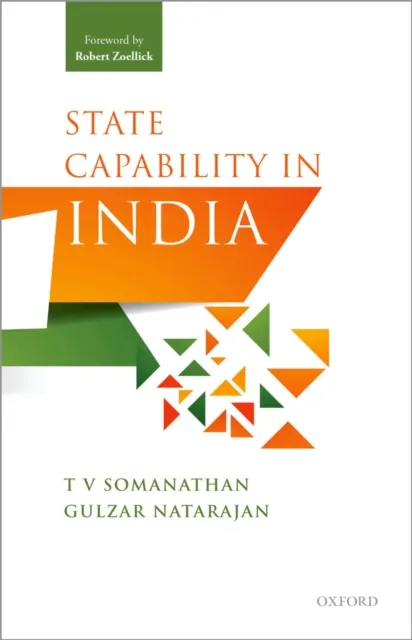
State Capability in India

Introduction
The deficiencies in the capability of the state to design and implement effective policies are arguably the biggest development challenge facing developing countries like India. This book seeks to assess state capability in India, identify weaknesses in policy design and programme implementation, and their causes, and propose some measures to remedy them. Importantly, it does so while recognizing political economy constraints and focusing predominantly on the administrative contributors. To this extent, the book's suggestions are practical enough for adoption by stakeholders at different levels.
Institutional and Structural Aspects
It describes the institutional design, constitutional provisions, the organizational structure, and the personnel of the Indian state. It covers a wide spectrum of aspects impacting state capability, ranging from ideological narratives and systemic constraints to procedural and personnel management issues to the behaviours and attitudes of individual bureaucrats.
Analytical Framework and Perspectives
It offers a new analytical framework to think about effectiveness of state on the policy-making process. It also offers a nuanced perspective and suggestions on many of the popular themes in public administration - size of the state, generalist and specialist debates, lateral entry, digital monitoring systems in governance, outsourcing and private participation, use of consultants, risk aversion in bureaucracies, performance-based incentives, programme evaluations, and so on.
Concluding Insights
Finally, being participants and observers in the bureaucratic system, the authors describe reality without always seeking to locate it in the framework of existing academic literature, thereby offering fresh insights and enriching the discourse on state capability.