$84.99
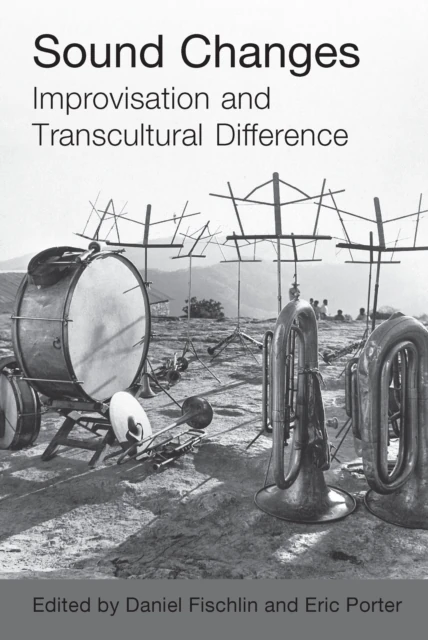
Sound Changes
Improvisation and Transcultural Difference

Sound Changes
Sound Changes responds to a need in improvisation studies for more work that addresses the diversity of global improvisatory practices and argues that by beginning to understand the particular, material experiences of sonic realities that are different from our own, we can address the host of other factors that are imparted or sublimated in performance. These factors range from the intimate affect associated with a particular performer’s capacity to generate a distinctive “voicing,” or the addition of an unexpected sonic intervention only possible with one particular configuration of players in a specific space and time. Through a series of case studies drawn from Africa, Asia, the Americas, and Oceania, Sound Changes offers readers an introduction to a range of musical expressions across the globe in which improvisation plays a key role and the book demonstrates that improvisation is a vital site for the production of emergent social relationships and meanings. As it does this work, Sound Changes situates the increasingly transcultural dimensions of improvised music in relation to emergent networks and technologies, changing patterns of migration and immigration, shifts in the political economy of music, and other social, cultural, and economic factors.
Improvisation Studies
Improvisation studies is a recently developed, but growing, interdisciplinary field of study. The discipline—which has only truly come into focus in the early part of the twenty-first century—has been building a lexicon of key terms and developing assumptions about core practices. Yet, the full breadth of improvisatory practices has remained a vexed, if not impossibly ambitious, subject of study. This volume offers a step forward in the movement away from critical tendencies that tend to homogenize and reduce practices and vocabularies in the name of the familiar.