$46.99
Someone Said Parental Alienation
About Divorcing Families Whose Children Avoided One Parent

Introduction to Parental Alienation
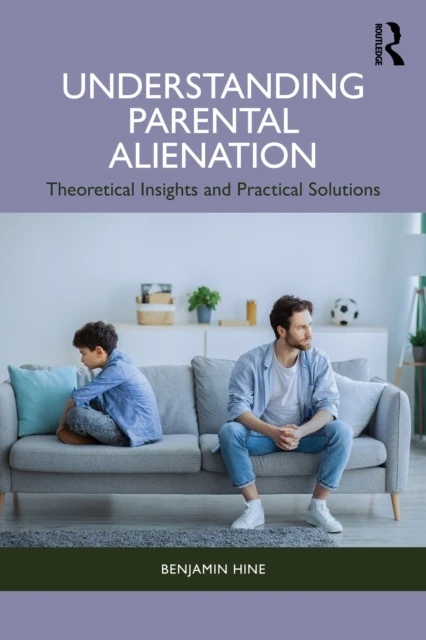
This book introduces readers to the concept of parental alienation (PA), a belief system that is used with increasing frequency in judicial child custody and parenting plan decisions.
Understanding PA
PA is essentially a legal concept without validated psychological definition, assuming that children who resist contact with one divorced parent have in many cases been brainwashed or persuaded to do so by the machinations of the preferred parent. PA proponents assert that courts should transfer child custody to the avoided parent and prohibit contact between the child and the preferred parent. Unfortunately, the outcomes of such decisions, as reported by parents and their now-adult children, suggest that application of the PA concept is neither safe nor effective as a response to children’s resistance to contact with a parent.
Book Overview
Providing an overview of the concept of parental alienation, methods of identifying PA cases, and court-ordered treatments for children and parents, the book uses seven case-study chapters, each introduced with a brief recapitulation of the issues, and closed with a summary of events to offer suggestions about desirable family court changes.
Target Audience
This is the first book to tell a range of stories about the experiences of fathers, mothers, and children who have been separated and subjected to PA interventions after allegations have been made. It will be of interest to professionals practicing in psychology, psychiatry, social work, counselling, law, and the judiciary, and anyone involved in research and in legislative efforts relevant to family courts.