$42.99
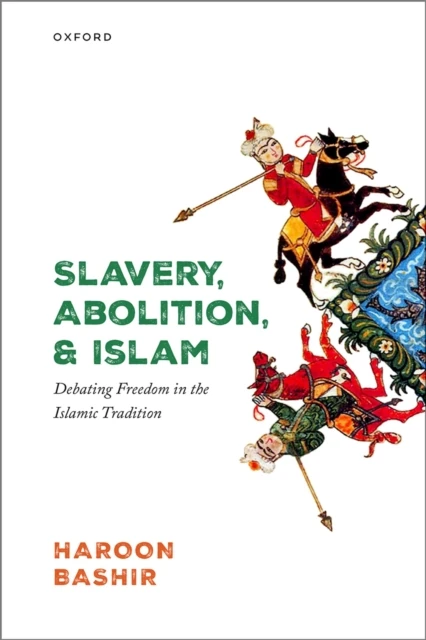
Slavery, Abolition, and Islam
Debating Freedom in the Islamic Tradition

Does the Qur'an promote the abolition of slavery?
While the Qur'an contains passages that regulate slavery and encourage humane treatment, it does not explicitly call for the abolition of slavery. The interpretation of these texts has varied among scholars and communities over time.
Why had the slave trade been allowed to operate across the Muslim world for over a millennium?
Historical, economic, and social factors contributed to the persistence of the slave trade in the Muslim world. Cultural acceptance, legal frameworks, and the lack of a unified religious stance against slavery played roles in its continuation.
Why had Muslim scholars not attempted to eradicate slavery previously?
Many scholars viewed slavery as a part of the social order and relied on traditional interpretations of religious texts. The concept of abolition as understood today was not prevalent, and efforts to challenge entrenched practices faced significant resistance.
Exploration of abolitionist efforts in the nineteenth century
These questions prompted Islamic abolitionist scholars to challenge the slave trade throughout the nineteenth century. The abolition of slavery is a relatively recent development in human history, and scholars from various religious traditions have grappled with the ethical implications of slavery's historical acceptance.
Haroon Bashir's contribution
In this book, Haroon Bashir narrates how scholars advocating for abolition in the name of Islam transformed the debate around Islam and slavery. The book examines how abolitionism became the dominant view within contemporary Islamic thought and explores the journey toward this consensus.
Debates and their implications
Defenders of the slave trade often invoked historical tradition to justify slavery, leading to highly contested debates. These discussions had profound effects on understandings of authority, tradition, and modernity within Islamic thought, and continue to influence current discourse.
Broader themes
Through analyzing these discourses, the book demonstrates how slavery and abolition were historically challenged within the Islamic context and how these debates continue to shape contemporary discussions on religious tradition, continuity, and transformation.