$158.99
Science in the Age of Baroque

Introduction
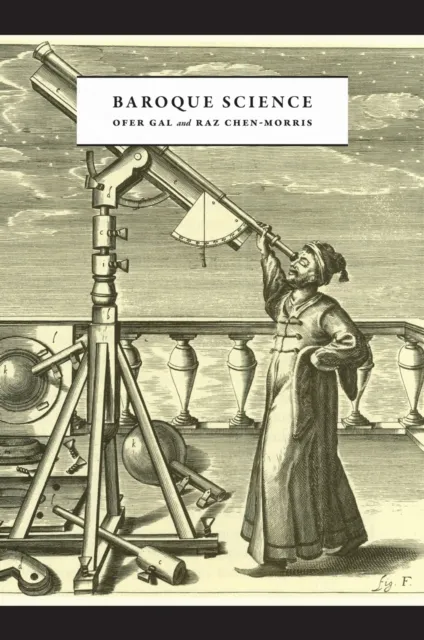
This volume examines the New Science of the 17th century in the context of Baroque culture, analysing its emergence as an integral part of the high culture of the period. The collected essays explore themes common to the new practices of knowledge production and the rapidly changing culture surrounding them, as well as the obsessions, anxieties and aspirations they share, such as the foundations of order, the power and peril of mediation and the conflation of the natural and the artificial.
Historiographical Issues
The essays also take on the historiographical issues involved: the characterization of culture in general and culture of knowledge in particular; the use of generalizations like ‘Baroque’ and the status of such categories; and the role of these in untangling the historical complexities of the tumultuous 17th century.
Protagonists and Figures
The canonical protagonists of the ‘Scientific Revolution’ are considered, and so are some obscure and suppressed figures: Galileo side by side with Scheiner; Torricelli together with Kircher; Newton as well as Scilla.
Baroque and Science
The coupling of Baroque and Science defies both the still-triumphalist historiographies of the Scientific Revolution and the slight embarrassment that the Baroque represents for most cultural-national histories of Western Europe. It signals a methodological interest in tensions and dilemmas rather than self-affirming narratives of success and failure, and provides an opportunity for reflective critique of our historical categories which is valuable in its own right.