$101.99
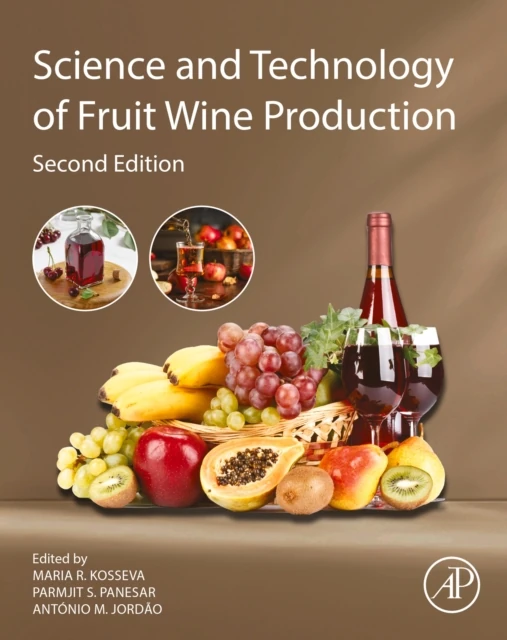
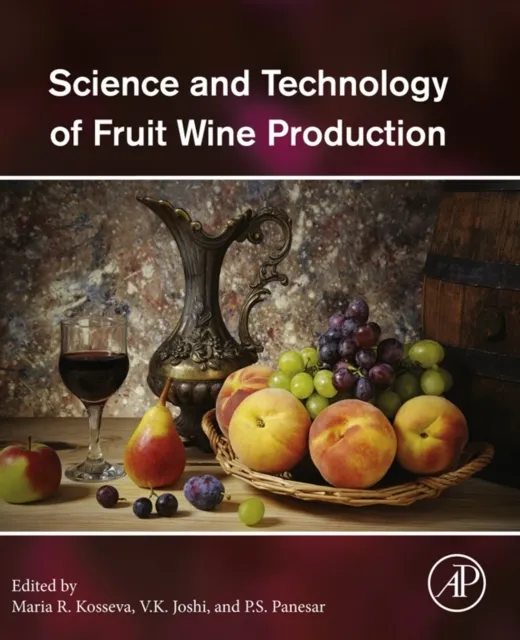
Science and Technology of Fruit Wine Production

Science and Technology of Fruit Wine Production
Includes introductory chapters on the production of wine from fruits other than grapes, including their composition, chemistry, role, quality of raw material, medicinal values, quality factors, bioreactor technology, production, optimization, standardization, preservation, and evaluation of different wines, specialty wines, and brandies.
Wine and its related products have been consumed since ancient times, not only for stimulatory and healthful properties, but also as an important adjunct to the human diet by increasing satisfaction and contributing to the relaxation necessary for proper digestion and absorption of food.
Most wines are produced from grapes throughout the world, however, fruits other than grapes, including apple, plum, peach, pear, berries, cherries, currants, apricot, and many others can also be profitably utilized in the production of wines.
The major problems in wine production, however, arise from the difficulty in extracting the sugar from the pulp of some of the fruits, or finding that the juices obtained lack in the requisite sugar contents, have higher acidity, more anthocyanins, or have poor fermentability.
The book demonstrates that the application of enzymes in juice extraction, bioreactor technology, and biological de-acidification (MLF bacteria, or de-acidifying yeast like schizosaccharomyces pombe, and others) in wine production from non-grape fruits needs serious consideration.
Focuses on producing non-grape wines
Highlighting their flavor, taste, and other quality attributes, including their antioxidant properties.
Provides a single-volume resource
That consolidates the research findings and developed technology employed to make wines from non-grape fruits.
Explores options for reducing post-harvest losses
Which are especially high in developing countries.
Stimulates research and development efforts
In non-grape wines.