$72.99
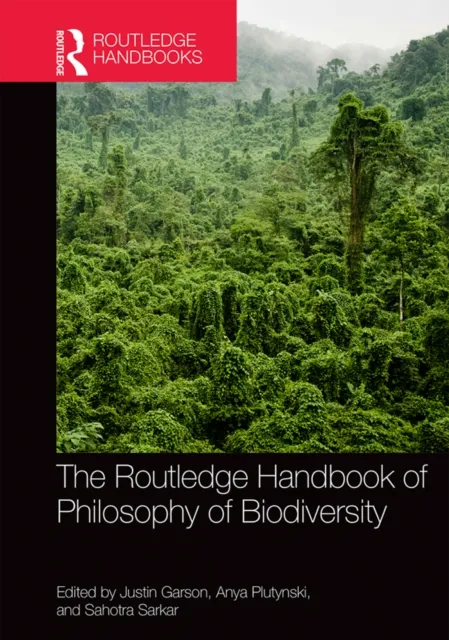
Routledge Handbook of Philosophy of Biodiversity

Biological diversity - or biodiversity - is the degree of variation of life within an ecosystem. It is a relatively new topic of study but has grown enormously in recent years. Because of its interdisciplinary nature the very concept of biodiversity is the subject of debate amongst philosophers, biologists, geographers and environmentalists.
The Routledge Handbook of Philosophy of Biodiversity is an outstanding reference source to the key topics and debates in this exciting subject. Comprising twenty-three chapters by a team of international contributors the Handbook is divided into six parts:
Historical and sociological contexts
focusing on the emergence of the term and early attempts to measure biodiversity
What is biodiversity?
How should biodiversity be defined? How can biodiversity include entities at the edge of its boundaries, including microbial diversity and genetically engineered organisms?
Why protect biodiversity?
What can traditional environmental ethics contribute to biodiversity? Topics covered include anthropocentrism, intrinsic value, and ethical controversies surrounding the economics of biodiversity
Measurement and methodology
including decision-theory and conservation, the use of indicators for biodiversity, and the changing use of genetics in biodiversity conservation
Social contexts and global justice
including conservation and community conflicts and biodiversity and cultural values
Biodiversity and other environmental values
How does biodiversity relate to other values like ecological restoration or ecological sustainability?
Essential reading for students and researchers in philosophy, environmental science and environmental studies, and conservation management, it will also be extremely useful to those studying biodiversity in subjects such as biology and geography.