$63.99
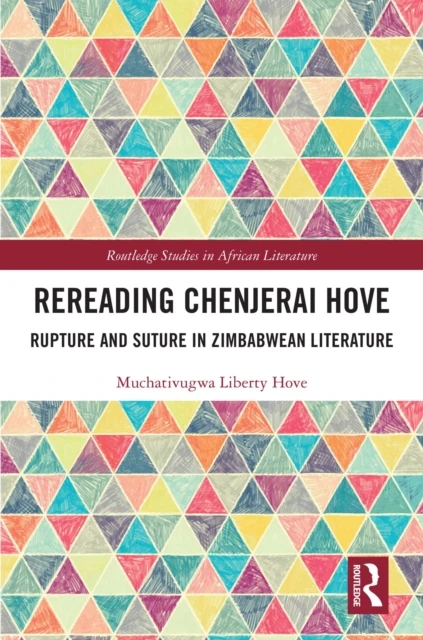
Rereading Chenjerai Hove
Rupture and Suture in Zimbabwean Literature

Introduction
This book assesses the life and works of the leading Zimbabwean poet and novelist, Chenjerai Hove. Proposing a reading of Hove's work through the dual concepts of rupture and suture, this book investigates Hove's position as a writer at home and in exile.
Hove's Identity and Themes
Described affectionately as 'Change' by his contemporaries, Hove's longing and desire for a free Zimbabwe runs through his works both in his first language, ChiShona, and in his second language, English. Whilst nationalist struggles promised a sense of suture from the wounds of colonialism, in the postcolonial period a new political elite introduced new ruptures, looting resources and flouting the rule of law.
Historical Processes in Hove's Works
Hove's narratives of decolonisation, globalisation and indigenous becoming in his works point to these unfinished historical processes of rupture and suture, bringing in contrasting themes of beauty and ugliness, democracy and despotism, development and anarchy, independence and corruption.
Theoretical Framework
In deploying a framework of rupture and suture to Hove's work, this book disrupts fundamentalist frameworks suggesting a return to a pristine precolonial past and argues instead that the process of decolonising is relational and reflexive.
Comparative Analysis
Providing an important original analysis of Hove's work, this book also brings in comparisons with other writers in exile, arguing that displaced citizenship allows African writers to trouble the disjuncture/s in the nationalist and postcolonial project.
Significance
As such, this book will be an important read not only for researchers of Zimbabwean literature but also for scholars working on African and diasporic literature more widely.