$93.99
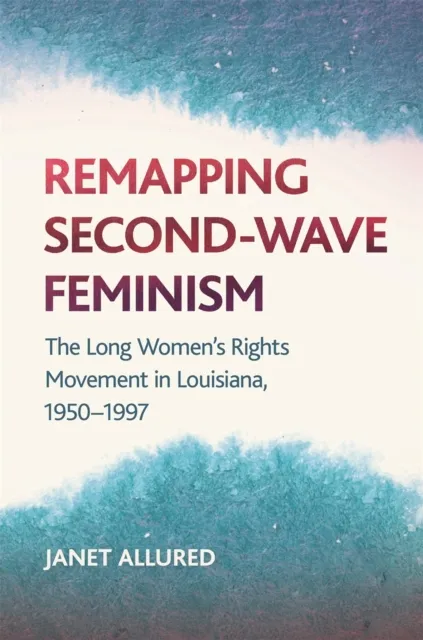
Remapping Second-Wave Feminism
The Long Women's Rights Movement in Louisiana, 1950–1997

Overview
Scholars of second-wave feminism often center their research on northern thought and political activity and usually overlook the vibrant pockets of activism that existed elsewhere. In Remapping Second-Wave Feminism, Janet Allured attempts to reshape the national narrative by focusing on the grassroots women’s movement in the South, particularly in Louisiana.
Exploration of Origins
This book delves into unexplored origins of the feminist movement. While acknowledging the ways that the fight for African American civil rights produced the women’s liberation movement in the South—and subsequently in the North—Allured also locates other wellsprings of the movement that were particularly important to southern change-seekers, especially preexisting women’s organizations such as the League of Women Voters and the YWCA. Also, for many southern feminists, being part of a faith tradition that emphasized social justice reform is what ultimately propelled them into working for gender equality. Allured highlights key figures in Louisiana; divisions based on regional, sexual, and ideological differences; access to abortion; lawsuits that had national implications that emanated from southern women; and the fight against sexual assault and domestic violence. Through detailed archival and oral history research, she has forged a new path, making this a foundational work for the field.
Significance
Remapping Second-Wave Feminism will amend how we reflexively view feminism as a northern phenomenon, giving proper due to the southern contribution.