$38.99
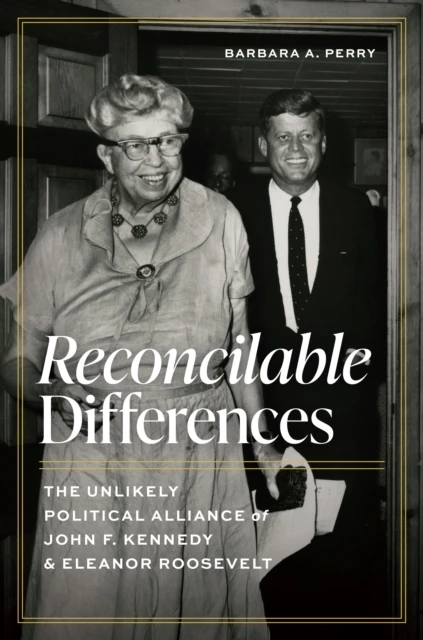
Reconcilable Differences
The Unlikely Political Alliance of John F. Kennedy and Eleanor Roosevelt

Introduction
The remarkable partnership that united the two great political dynasties of the twentieth century "Why doesn't Mrs. Roosevelt like me?" asked the uncommonly likable John F. Kennedy. Since FDR's passing in 1945, Eleanor Roosevelt had been the Democratic Party's grande dame, and as he set his sights on the highest office in the land, Kennedy was determined to win her support. His famed youthful charm, however, had long failed to capture her. Into the late 1950s she had disparaged him as "my dear boy," and she remained suspicious of his inexperience, opportunism, Catholicism, fragile health, and playboy reputation. Their legendary family dynasties had sometimes allied in the political arena but more often clashed. Would they bury their political hatchets in the bucolic grounds surrounding Eleanor's home at Val-Kill-or in each other?
Reconcilable Differences
tells the remarkable story of how John F. Kennedy ultimately succeeded in bringing Eleanor Roosevelt into his camp-and how she, in turn, used his support to advance policies she had advocated her entire adult life, especially women's rights. In the brief twenty-one months they had in which to partner in the White House-before Eleanor's November 1962 death-these two American icons found common ground in her leadership of the President's Commission on the Status of Women; the creation of the Peace Corps; real steps toward easing Cold War tensions; and the struggle to secure civil rights for Black Americans. To this day, theirs is a model for bridging generational, religious, gender, racial, and family chasms in a polarized world.