$76.99
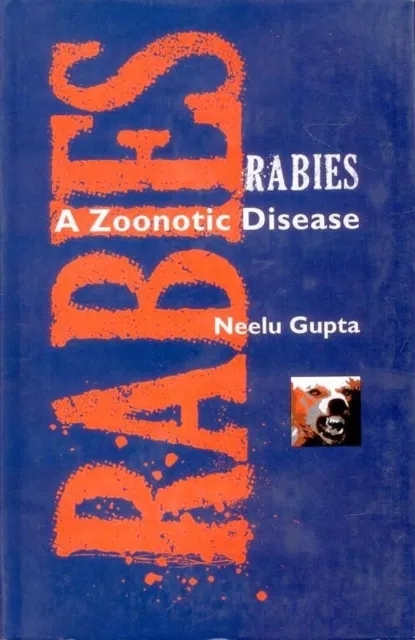
Rabies A Zoonotic Disease

Rabies as a Public Health Problem
Rabies continues to be a major public health problem, as it was in antiquity. Unfortunately, on a global scale, there are at least 60,000 reported deaths per year due to rabies, which is a grossly underreported disease. Rabies is the tenth leading cause of death due to infectious disease on a world-wide basis. This is due to the reservoir of infected dogs in underdeveloped countries (and the lack of resources to accomplish control or mass vaccination of dogs), and the unavailability of post exposure prophylaxis in poor or remote regions. Though canine rabies has been controlled in the developing countries, it is responsible for more than 30,000 deaths per year in developing countries. WHO reported many countries are rabies-free, e.g., Japan, UK, Denmark, Sweden, Greece, Iceland, Portugal, New Zealand, Australia, etc. In India, Andaman-Nicobar and Lakshadweep Islands are free of the disease due to successful eradication programs because of strict quarantine regulations.
About the Book
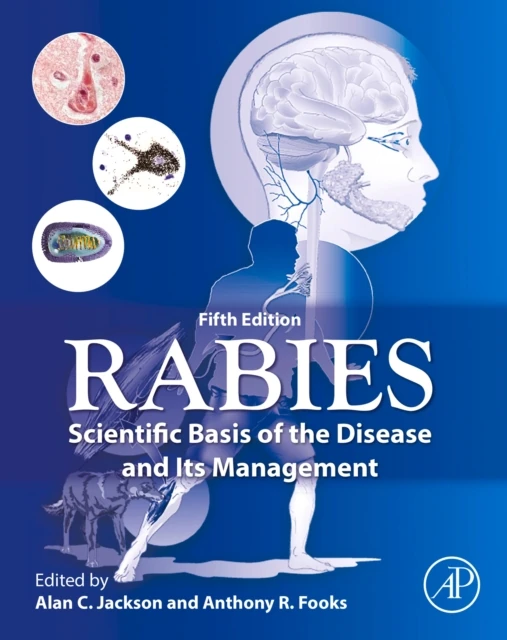
This book provides essential worldwide information regarding rabies for public health officials, veterinarians, physicians, virologists, epidemiologists, infectious disease specialists, laboratory diagnosticians, and wildlife biologists. This is a comprehensive book, dealing with the rabies virus, structure of the virus, history of rabies, transmission of the virus, incubation period, molecular virology, immunopathology, epidemiology, pathology, pathogenesis, clinical manifestations in humans and animals, and diagnosis of the disease. It covers treatment after biting or licking by a dog, including vaccination, control of the disease, as well as preventive measures in humans and animals and tips for children. The strength of the book lies in the multidisciplinary view of experts in medicine, pathology, virology, immunology, epidemiology, and veterinary medicine. It will be a useful collection for medical and veterinary clinicians, veterinary students, science students, public health workers, and research scientists involved in the diagnosis and prevention of rabies. It is also very knowledgeable for the general public.