$58.99
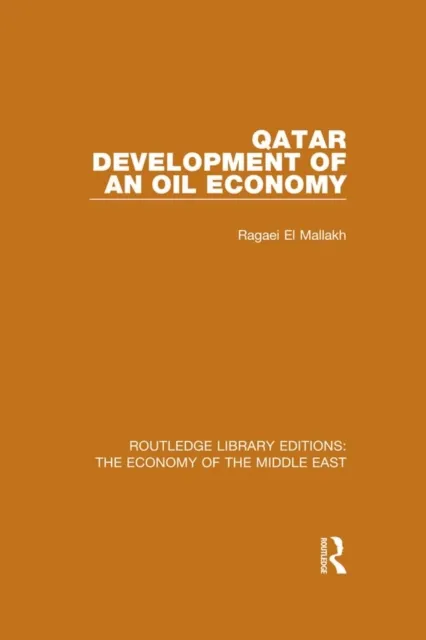
Qatar
Development of an Oil Economy

Introduction
No region in the world has seen so much development activity in the last ten years as the Gulf area. Since black gold catapulted the oil-producing countries into the limelight of the international political and economic scene, there has been a proliferation of studies on the larger exporting states. However, many of the so-called small countries have been neglected in this exercise. This book presents the first detailed examination of the bases and extent of economic development in Qatar and considers the need to translate the petroleum-generated growth into viable, self-sustained development. Qatar, though not one of the oil giants, was first in the field of oil development and exhibits a number of special features not shared by its Gulf neighbours: for example in pre-oil boom days it was already in advance of many other Gulf states in the field of education; it has a modest agriculture sector and there is a comparatively strong attachment to the land; and finally it has played an important role in OPEC as a member of the moderate price camp. The individual chapters trace the development of the oil industry, outline public financing and economic policy and sketch the issues involved in industrialisation, absorptive capacity and agricultural development. Examination is made of the social and physical infrastructure as well as money and banking, and the international linkages in trade, foreign aid, economic cooperation efforts and investment opportunities are elucidated. Planners in Qatar know that their revenue base in petroleum is finite, and thus investment of present surplus needs careful planning. The book therefore also outlines current government priorities and suggests areas for future investments.
Publication Information
First published in 1979.