$109.99
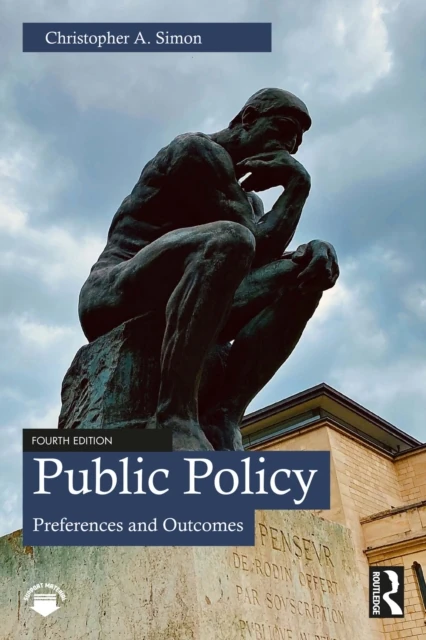
Public Policy
Preferences and Outcomes

Now in a thoroughly revised fourth edition, Public Policy: Preferences and Outcomes is designed to help students better understand the ways in which public policy is grounded in normative theory, empowering them to discuss policy issues with clarity.
This approachable book examines the role of political theory in the governance process and the effect of public opinion on policy priorities and government. It introduces students to the tools of policy analysis and the most up to date policy theories in conceptualizing public policy in several major policy areas, including defense, public health, criminal justice, and the environment.
Major updates to this edition include:
An all new, dedicated chapter on immigration policy, as well as updates to each substantive policy area chapter, detailing the significant policy changes wrought by the second Trump administration.
Thoroughly updated material on federalism and intergovernmental relations, including recent examples of intergovernmental cooperation in areas like natural disasters and public health, as well as the effects of federalism on policy innovation and diffusion.
A test bank and PowerPoint slides to aid instructors in teaching from the book.
Assuming no prior background in public policy and offering instructors a variety of ways to engage students and tailor this book to their classroom settings and course priorities, this book is a flexible and highly effective teaching resource for introductory courses.
The new edition also serves as a timely refresher on the basics, for students in upper division, policy specific courses, helping them develop a more rigorous and confident understanding of their specific policy area of study.