$17.99
Prolactinomas
Lessons from Thirty-Five Years in Neuroendocrinology

Prolactinoma and Hyperprolactinemia
Prolactinoma is the most common hormone-secreting pituitary tumor encountered in a modern neuroendocrine practice. Hyperprolactinemia—due to imbalances in the pituitary system or other causes—is also a common reason for referral within the neuroendocrine field.
Evaluation and Management
Evaluation and management of patients experiencing prolactinoma is based on a foundation of physiology, pathophysiology, and knowledge of disease states. Unfortunately, as it is with most clinical conditions, one must often devise a treatment and follow-up strategy that is based more on the art of medicine, which is then guided by science.
Physiology and Causes
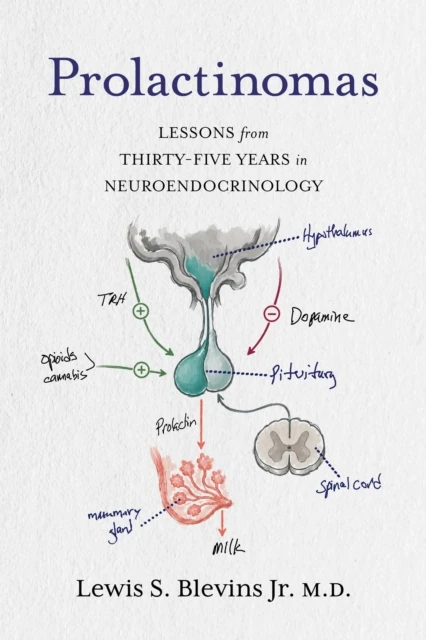
In this book, Dr. Blevins reviews the physiology of prolactin regulation and secretion, diagnostic testing, and causes of hyperprolactinemia with an emphasis on tumors and approaches to treatment. Dr. Blevins also covers the effects of prolactin on the breast and the possible role prolactin may play in development of breast cancer, as well as the effects of prolactin on other tissues.
Clinical Experience and Decision-Making
There is not always an answer as to how to manage a patient experiencing prolactinoma. This is where direct experience comes in; experience gained by seeing patients, really getting to know them, and recognizing the privilege of playing an important role in their lives.
Guidelines and Evidence
Through the process of writing on prolactinoma, Dr. Blevins was able to weigh long-held beliefs and guidelines on the decision-making process around prolactinoma. Scientific evidence, guided by the art of medicine and the experience of working with real patients, is collected here to guide and support the assessment of treatment strategies and follow-up plans for prolactinoma.