$33.99
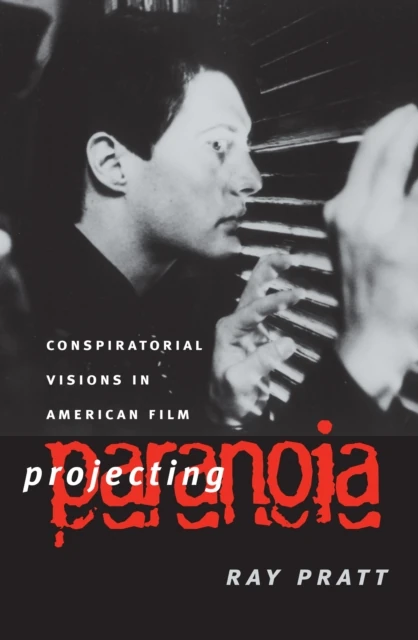
Projecting Paranoia
Conspiratorial Visions in American Film

Introduction
A lit cigarette glows in the dark. A faceless voice describes sinister forces that are hard at work behind the scenes—a hidden conspiracy that controls our lives and perhaps even our thoughts. Then, like a ghost in the night, the voice is gone, leaving a residue of unease and a whisper of paranoia.
Symbolism in American Films
As emblematic as Deep Throat in All the President's Men or the Cigarette Smoking Man in the wildly popular X-Files, that ghostly presence stands in for numerous other voices in a wide range of American films from the classic era of film noir through Oliver Stone's JFK and Curtis Hanson's L.A. Confidential.
Film and Culture
In this sweeping and idiosyncratic synthesis of film and politics, Ray Pratt shows us how such movies are deeply rooted in postwar American culture and continue to exert an enormous influence on the national imagination.
Postmodern Anxieties
For decades American cinema has mirrored and promoted the postmodern anxieties and paranoid perceptions embedded in our society. Tapping into the moviegoing audience's own projected fears, many Hollywood films seem to confirm our belief that there are indeed secret sinister forces at work and that our lives are at risk because of them.
Conspiracy and Resistance
Pratt revisits blockbusters and cult favorites alike and shows how their images of conspiracy have been fostered by the public's increasing distrust of large organizations, producing in turn a cinematic narrative of resistance that challenges the status quo. He offers Seven Days in May and Dr. Strangelove as signposts of Cold War hysteria; Chinatown, The Conversation, and Missing as clear reflections of our distrust of political and corporate elites in the wake of Vietnam and Watergate; and Blue Velvet and The Stepfather as dark countermyths to the family values touted by Ronald Reagan in the 1980s.
Gender Paranoia and Cultural Reflection
He also considers gender paranoia in films like Klute, Fatal Attraction, and Silence of the Lambs and reminds us that sometimes, as in Serpico, our guardian police forces need a bit of guarding themselves.
Conclusion
Deftly interweaving cultural, political, and film theory with fresh insights into film noir detectives, nuclear angst, sexual predators, and government conspiracies, Projecting Paranoia is essential reading for anyone interested in the American psyche or great moviemaking.