$69.99
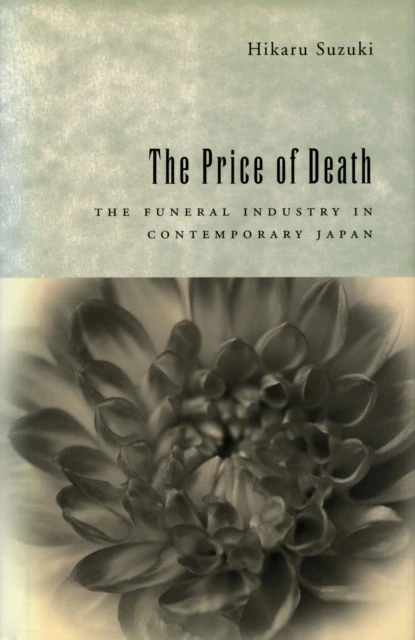
Price of Death
The Funeral Industry in Contemporary Japan

Funerary practices and anthropological inquiry
Funerary practices have long been a classic topic of anthropological inquiry, which has tended to focus on death rituals as expressions and reinforcers of community ties and values.
The author's focus on funerals as an urban business
In this book, the author looks at funerals as an urban business, based on her fieldwork at a large Japanese funeral company. Her central theme is the progressive commercialization of what once were primarily religious rituals.
The process of contemporary Japanese funerals
The book depicts the process of contemporary Japanese funerals, the practices of those who provide commercial funeral services, and the motivations and behavior of the mourners who purchase those services. In so doing, it examines the role of funeral companies in shaping Japanese cultural practices and changing an important aspect of Japanese society.
Questions addressed by the author
The author addresses several related questions: What cultural changes accompanied the shift from traditional community funeral rituals to commercial funeral services? How did the mass consumption of commercial funerals produce cultural homogeneity while allowing for differences in individual services? How does the marketing of professional funeral services mediate changing cultural values? How have commercial services served to objectify changing concepts of dying, death, and the deceased in contemporary Japan?
Conclusions on the funeral industry and cultural values
The author demonstrates that the funeral industry, the purchasers of funeral services, and Japanese values surrounding death are mutually dependent and are responsible for supporting, representing, and transforming cultural practices. Throughout, the author relates vivid and often moving details and anecdotes to lend a personal element to her study of the commodification of death in Japan.