$7.99
Poole in the Great War

On 13 August, with the war only a matter of days old, the German cargo vessel, Herbert Fischer, was on its way from Russia to deliver timber to J T Sydenhams in Poole. It was challenged and stopped by Royal Naval vessels in the English Channel, but somewhat remarkably, it was allowed to continue its journey into Poole harbor where it unloaded its timber. Fortunately, no harm was done, by the crew or its cargo, as both were what they purported to be. Less than a week later Pool harbor was in the news again, as night time restrictions were placed on the town's fishing fleet to stop them from venturing outside of the harbor due to the potential danger of attack from German naval vessels.
By the end of 1914, a number of temporary hospitals had sprung up all over the Poole area, as was in keeping with the rest of the country. These included, The Lodge, The Mount and Springfield Auxiliary Hospitals, all of which were for officers only. In addition to these there was also the Sandacres Private Hospital for officers in Parkstone.
A recruitment meeting took place at the Drill Hall at Upper Parkstone on 19 February 1915. To encourage men to attend, arrangements were made for local brass bands to play and make their way to the Drill Hall from different parts of the town.
In Knight & Co, which was located in Hill Street, Poole, the town had its very own munitions factory, which employed more and more women the longer the war continued, as more and more men were called up.
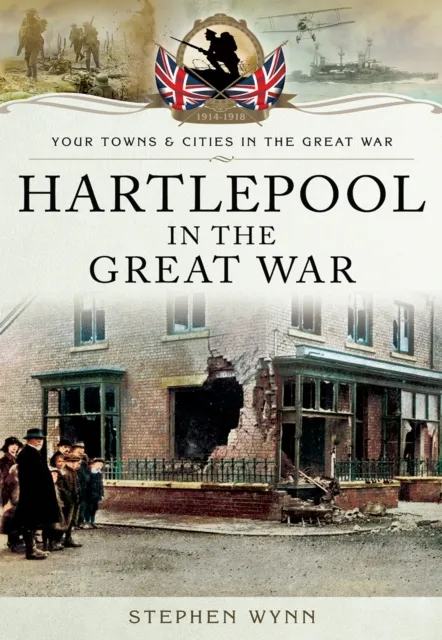
The book also looks at men from the town who went off to fight in the war, and those who never made it back home to their loved ones. It also looks at the towns women, many of whom carried out Voluntary work such as working for the VAD, whilst bringing up young children and tending to their homes.
A real feeling of the sacrifice which many people from Poole made during the course of the First World War, becomes quite apparent across the pages of this very informative book.