$63.99
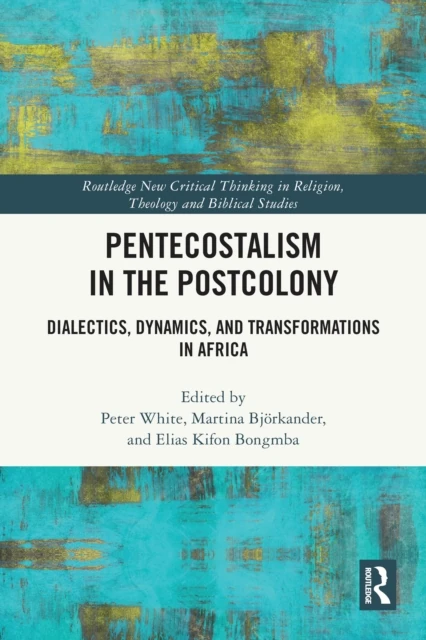
Pentecostalism in the Postcolony
Dialectics, Dynamics, and Transformations in Africa

Introduction
This volume explores Pentecostalism''s multifaceted nature in Africa, examining its dialectical engagements, dynamic expressions, and transformative potential across the continent''s spiritual, social, and political landscapes in postcolonial contexts.
Scope and Approach
The volume brings together a range of scholarly voices to offer a comprehensive and critical engagement with Pentecostalism in Africa, spanning Uganda, Ethiopia, South Africa, Malawi, Zambia, Nigeria, Kenya, Rwanda, Tanzania, and Ghana. A central thread is the concept of dialectics, as the authors move beyond simplistic narratives to embrace the inherent tensions and contradictions that define African Pentecostalism. It is a faith of both continuity and radical rupture, one that simultaneously draws from the wellsprings of missionary Christianity while reconfiguring it through distinctly African cultural and spiritual lenses. The volume recognises that the movement cannot be understood apart from the historical legacies of colonialism and the contemporary challenges facing African nations. The chapters explore how Pentecostal churches and believers are grappling with pressing issues such as poverty, gender inequality, democratic governance, and health crises, often emerging as a theology of hope and empowerment that offers new forms of agency and social positioning to its adherents. Grounded in African studies and employing diverse methodological approaches, the book offers in-depth ethnographic case studies, theological analysis, and postcolonial critique.
Conclusion
It is a timely and valuable contribution to the study of Pentecostalism and its enduring global impact.