$42.99
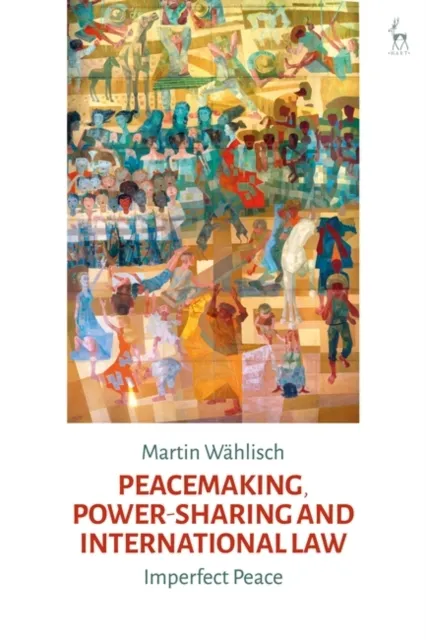
Peacemaking, Power-sharing and International Law
Imperfect Peace

Introduction
This monograph provides a contemporary analysis of the frictions between peacemaking and international human rights law based on the cases of postconflict power-sharing in Lebanon and Bosnia-Herzegovina. In this context it evaluates the long-standing debate in the United Nations and human rights bodies about the imperfect peace.
Content and Approach
Written from a practitioner–scholarly viewpoint and drawing from new authentic sources, the book describes the mechanisms used in peace agreements and post-conflict constitutions for managing ethnic or religious diversity, explains their legal limits under international human rights law, and provides a conceptual framework for analysing the nexus between law and peacemaking.
Key Arguments
The book argues that the relationship between the content of peace agreements and post-conflict constitutions, their negotiation process and the element of time, needs to be untangled to better understand the legal limits of statebuilding in the aftermath of armed conflict.
Target Audience
It is a key resource for scholars in human rights law and peace and conflict studies, advisers in peace processes, constitution-makers, and peace mediators.