$26.49
$49.99
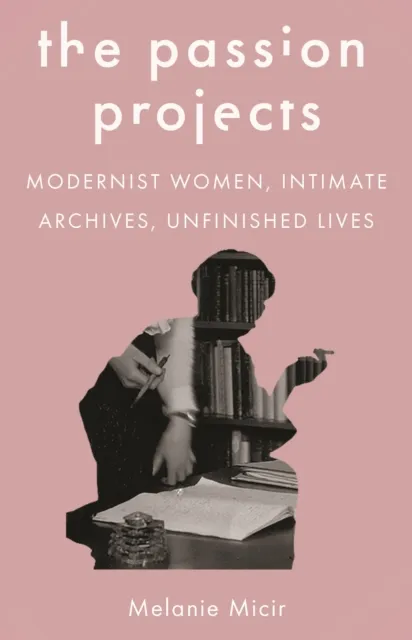
Passion Projects
Modernist Women, Intimate Archives, Unfinished Lives

How modernist women writers used biographical writing to resist their exclusion from literary history
It’s impossible, now, to think of modernism without thinking about gender, sexuality, and the diverse movers and shakers of the early twentieth century. But this was not always so. The Passion Projects examines biographical projects that modernist women writers undertook to resist the exclusion of their friends, colleagues, lovers, and companions from literary history. Many of these works were vibrant efforts of modernist countermemory and counterhistory that became casualties in a midcentury battle for literary legitimacy, but that now add a new dimension to our appreciation of such figures as Radclyffe Hall, Gertrude Stein, Hope Mirrlees, and Sylvia Beach, among many others.
Melanie Micir explores an extensive body of material, including Sylvia Townsend Warner’s carefully annotated letters to her partner Valentine Ackland, Djuna Barnes’s fragmented drafts about the Baroness Elsa von Freytag-Loringhoven, Margaret Anderson’s collection of modernist artifacts, and Virginia Woolf’s joke biography of her friend and lover Vita Sackville-West, the novel Orlando. Whether published in encoded desire or squirreled away in intimate archives, these “passion projects” recorded life then in order to summon an audience now, and stand as important predecessors of queer and feminist recovery projects that have shaped the contemporary understanding of the field.
Arguing for the importance of biography, The Passion Projects shows how women turned to this genre in the early twentieth century to preserve their lives and communities for future generations to discover.