$85.99
$136.99
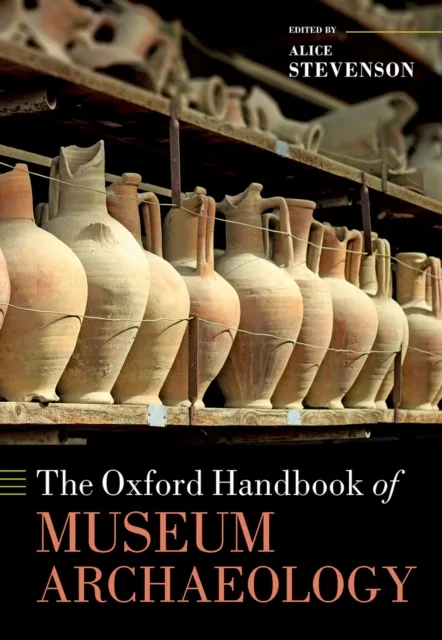
Oxford Handbook of Museum Archaeology

Introduction
This Handbook provides a transnational reference point for critical engagements with the legacies of, and futures for, global archaeological collections. It challenges the common misconception that museum archaeology is simply a set of procedures for managing and exhibiting assemblages. Instead, this volume advances museum archaeology as an area of reflexive research and practice addressing the critical issues of what gets prioritized by and researched in museums, by whom, how, and why.
Content Overview
Through twenty-eight chapters, authors problematize and suggest new ways of thinking about historic, contemporary, and future relationships between archaeological fieldwork and museums, as well as the array of institutional and cultural paradigms through which archaeological enquiries are mediated. Case studies embrace not just archaeological finds, but also archival field notes, photographic media, archaeological samples, and replicas.
Goals and Perspectives
Throughout, museum activities are put into dialogue with other aspects of archaeological practice, with the aim of situating museum work within a more holistic archaeology that does not privilege excavation or field survey above other aspects of disciplinary engagement. These concerns will be grounded in the realities of museums internationally, including Latin America, Africa, Asia, Oceania, North America, and Europe.
Heritage and Practice
In so doing, the common heritage sector refrain best practice is not assumed to solely emanate from developed countries or European philosophies, but instead is considered as emerging from and accommodated within local concerns and diverse museum cultures.