$17.49
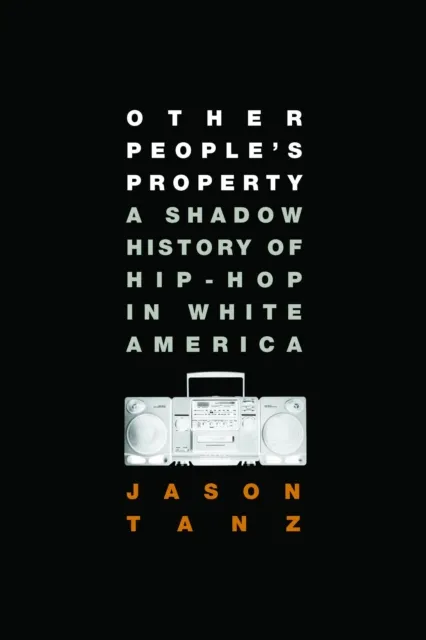
Other People's Property
A Shadow History of Hip-Hop in White America

Overview of Hip-Hop's Cultural Evolution
Over the last quarter-century hip-hop has grown from an esoteric form of African-American expression to become the dominant form of American popular culture. Today, Snoop Dogg shills for Chrysler and white kids wear Fubu, the black-owned label whose name stands for "For Us, By Us."
Historical Context and Racial Dissonance
This is not the first time that black music has been appreciated, adopted, and adapted by white audiences—think jazz, blues, and rock—but Jason Tanz, a white boy who grew up in the suburban Northwest, says that hip-hop's journey through white America provides a unique window to examine the racial dissonance that has become a fact of our national life. In such culture-sharing, Tanz sees white Americans struggling with their identity, and wrestling (often unsuccessfully) with the legacy of race.
Research and Interviews
To support his anecdotally driven history of hip-hop's cross-over to white America, Tanz conducts dozens of interviews with fans, artists, producers, and promoters, including some of hip-hop's most legendary figures—such as Public Enemy's Chuck D; white rapper MC Serch; and former Yo! MTV Raps host Fab 5 Freddy. He travels across the country, visiting "nerdcore" rappers in Seattle, who rhyme about Star Wars conventions; a group of would-be gangstas in a suburb so insulated it's called "the bubble"; a break-dancing class at the upper-crusty New Canaan Tap Academy; and many more.
Themes and Perspective
Drawing on the author's personal experience as a white fan as well as his in-depth knowledge of hip-hop's history, Other People’s Property provides a hard-edged, thought-provoking, and humorous snapshot of the particularly American intersection of race, commerce, culture, and identity.