$103.99
Non-dopamine Lesions in Parkinson's Disease

Introduction
Parkinson''s disease becomes apparent only after substantial loss (60%) of the dopamine neurons in the substantia nigra. By this time there has already been widespread neural inclusion formation in the peripheral and central nervous system of patients with the disease, although this has only been recognized more recently. Degeneration in these widespread regions of the peripheral and central nervous system is now known to impact on disease symptoms, progression and treatment over time.
Purpose of the Book
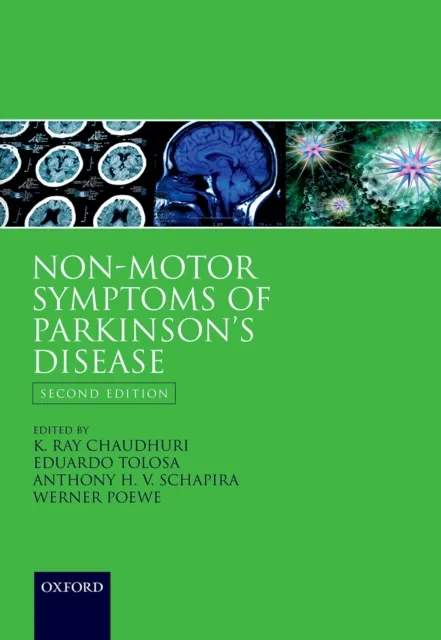
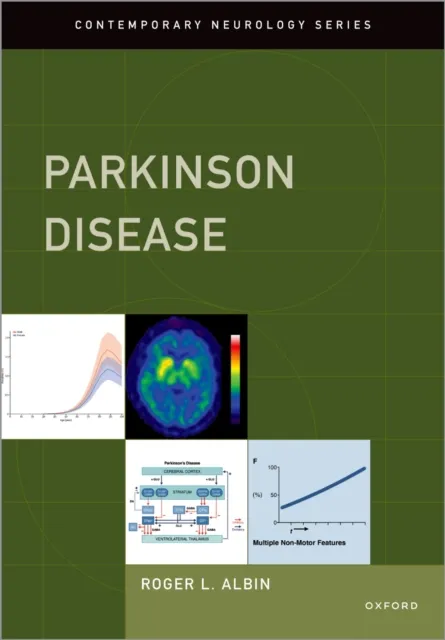
This book aims to provide a comprehensive review of these non-dopamine lesions in Parkinson''s disease by assessing our current knowledge of their presence and pathophysiology, how they relate to different symptoms and, where relevant, discuss how they may be potentially treated. The book addresses most of the known symptoms that occur in patients with Parkinson''s disease.
Symptoms Covered
In addition to the classic motor triad, motor speech, eye movements, olfactory dysfunction, autonomic dysfunction, pain and sensory abnormalities, sleep disturbances, depression and apathy, dopamine dysregulation syndromes, hallucinations and psychoses, cognitive impairment and dementia, and systemic manifestations are all reviewed.
Early and Widespread Lesions
Early selective cell loss in non-dopaminergic regions is highlighted (the glutamate projection neurons of the presupplementary motor cortex and caudal intralaminar thalamus) in addition to the widespread inclusion formation in many regions outside the basal ganglia that characterize the disease.
Conclusion
Overall this book provides a comprehensive analysis of the lesions associated with the most common symptoms found in patients with Parkinson''s disease.