$58.99
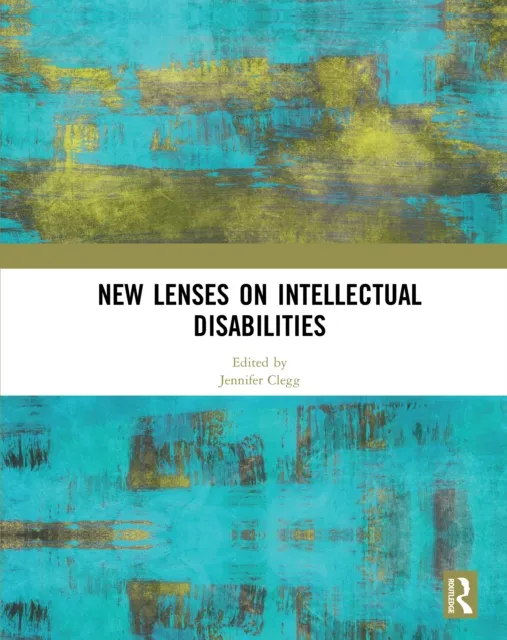
New Lenses on Intellectual Disabilities

Introduction
This book gathers together recent international research in intellectual disability (ID), examining the diverse modes of existence that characterise living with intellectual disabilities in the 21st century.
Range of Experiences
Ranging from people with no speech and little mobility who need 24-hour care, to people who marry or hold down jobs, this book moves beyond the typical person with ID imagined by public policy: healthy, with mild ID and a supportive family, and living in a welcoming community. The book is divided into three sections.
Section 1: A richer picture of people and relationships
Expands our understanding of different people and lifestyles associated with ID.
Section 2: Where current policies fall short
Finds that Supported Living provides just as mediocre a form of care as group homes, and concludes that services for people with challenging behaviour are unrelated to need. The contributors’ research identifies no effective employment support strategies, as well as technological and legal changes that prevent organisations from employing people with ID. With nearly a quarter of this population in poor health, the contributors reflect on whether social model approaches should be allowed to trump medical considerations.
Section 3: New thinking about well-being
Reveals that being old, poor, and living alone increases health risk, and that medication administration is significantly more complex for people with ID.
Conclusion
Moving beyond 20th century certainties surrounding intellectual disability, this book will be of interest to those studying contemporary issues facing those living with ID, as well as those studying public health policy more widely.
Publication note
The chapters in this book were originally published in issues of the Journal of Intellectual & Developmental Disability.