$39.99
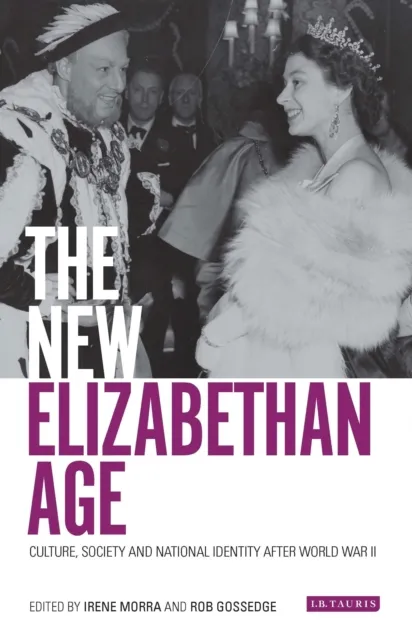
New Elizabethan Age
Culture, Society and National Identity after World War II

Introduction
In the first half of the twentieth century, many writers and artists turned to the art and received example of the Elizabethans as a means of articulating an emphatic (and anti-Victorian) modernity. By the middle of that century, this cultural neo-Elizabethanism had become absorbed within a broader mainstream discourse of national identity, heritage and cultural performance.
Taking strength from the Coronation of a new, young Queen named Elizabeth, the New Elizabethanism of the 1950s heralded a nation that would now see its “modern”, televised monarch preside over an imminently glorious and artistic age.
Legacy and Manifestations
This book provides the first in-depth investigation of New Elizabethanism and its legacy. With contributions from leading cultural practitioners and scholars, its essays explore New Elizabethanism as variously manifest in ballet and opera, the Coronation broadcast and festivities, national historiography and myth, the idea of the “Young Elizabethan”, celebrations of air travel and new technologies, and the New Shakespeareanism of theatre and television.
As these essays expose, New Elizabethanism was much more than a brief moment of optimistic hyperbole.
Indeed, from modern drama and film to the reinternment of Richard III, from the London Olympics to the funeral of Margaret Thatcher, it continues to pervade contemporary artistic expression, politics, and key moments of national pageantry.