£149.50
Mycoremediation of Xenobiotics
Harnessing Fungi for Environmental Detoxification

Introduction
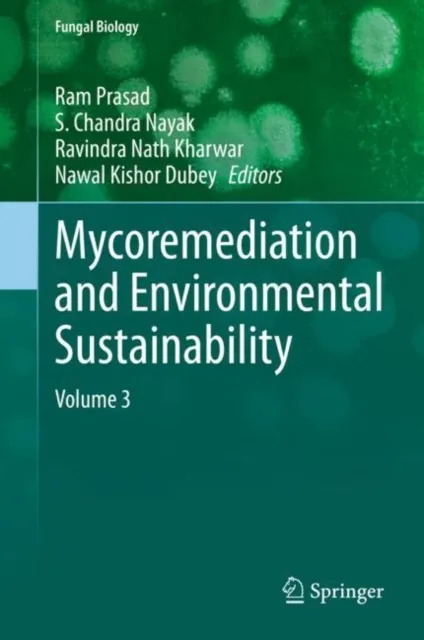
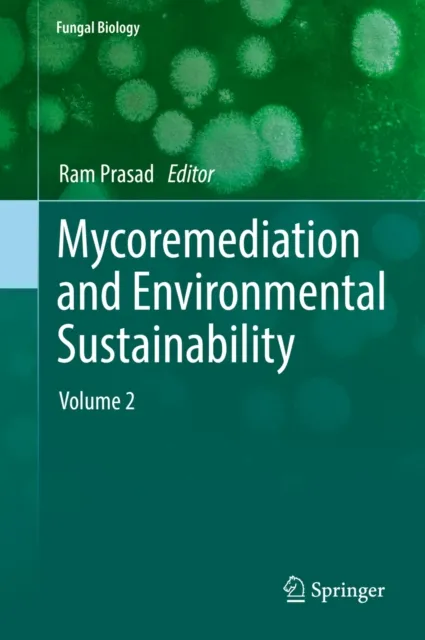
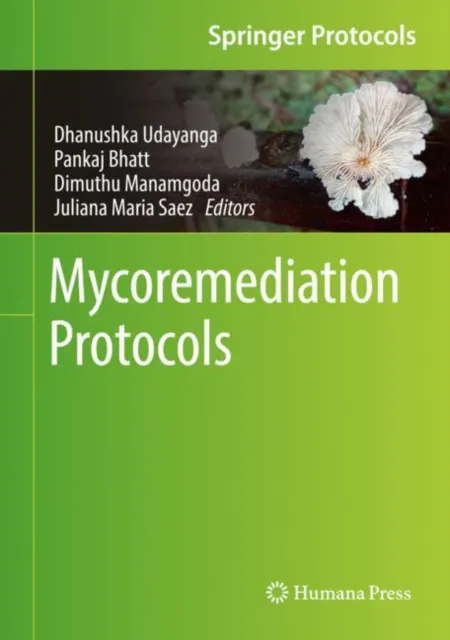
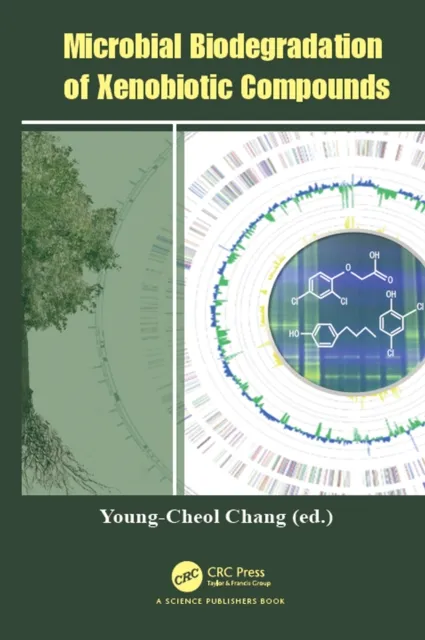
This book presents a scientific exploration into the use of fungal enzymes to degrade persistent environmental pollutants. It combines foundational theory, emerging research, and real-world case studies to showcase fungi’s role in mitigating chemical contamination.
The book begins by outlining the global threat posed by xenobiotics—synthetic compounds like pesticides, pharmaceuticals, and industrial chemicals—and the limitations of conventional remediation strategies.
Fungal Biology and Enzymatic Systems
Early chapters delve into the biology of fungi, highlighting their powerful enzymatic systems such as laccases and peroxidases. These systems underpin the mycoremediation process, offering eco-friendly alternatives for detoxifying harmful pollutants.
Degradation Mechanisms and Applications
Subsequent chapters explore fungal degradation mechanisms, including enzymatic pathways, metabolic routes, and genomic insights. Readers will find extensive coverage of bioreactor design, large-scale applications, and case studies across various environmental settings.
Challenges and Future Prospects
The book also addresses the technological, regulatory, and economic challenges of implementing mycoremediation, concluding with future prospects in synthetic biology, CRISPR-engineered fungi, and policy development.
Target Audience
This comprehensive resource is tailored for a diverse audience including environmental scientists, microbiologists, biotechnologists, engineers, policymakers, and advanced students. Whether for academic research, policy formulation, or field application, this book serves as an essential reference for those seeking sustainable solutions to the growing threat of xenobiotic contamination through fungal biotechnology.