$63.99
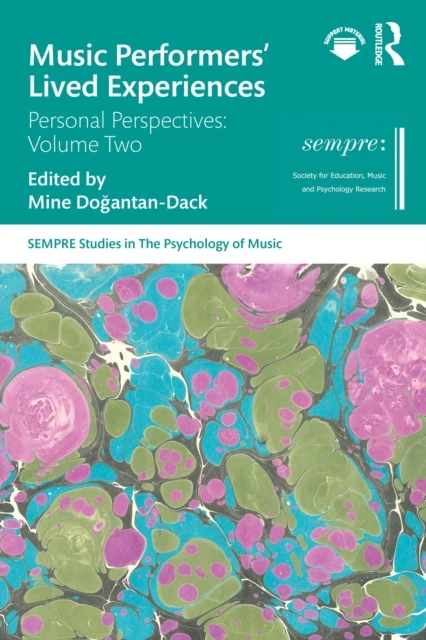
Music Performers' Lived Experiences
Personal Perspectives: Volume Two

Introduction
This second volume, together with the first of a two-volume set, probes the lived experiences and subjectivities of music performers in the western art music tradition, using phenomenological, hermeneutical, empirical and historical inquiry.
Research Scope
The two volumes widen this research area through close investigations of a variety of rich, complex, and nuanced experiences classical music performers have qua performers, as they interact with musical scores, instruments, performance traditions, other musicking individuals, wider artistic and cultural discourses, norms, and beliefs. The two volumes aim to humanise music performers and contribute towards shaping a more performer-centred discipline of Music Performance Studies.
Volume Details
The second volume, The Music Performers’ Lived Experiences: Personal Perspectives, brings together some of the leading performer-researchers from around the world, who foreground their personal experiences, artistic voices, and insights, not only offering intimate accounts of their creative journeys, challenges, and inspirations but also reflecting on these experiences in ways that contribute to rigorous research. Collectively, the chapters reveal the deeply human dimensions of music-making, and of music scholarship.
Explored Experiences
The lived experiences explored in this volume include coming to know musical form through embodied acts of music-making at the piano; music performance anxiety through the lens of an Autistic woman violinist; developing musical identity and performing personae as a female double bass player; performing Schubert on the piano as a person who experiences the world as socially disabled; engaging with an organ score as an organist and a pianist; creating expressive performances of an operatic score so that each rendition feels, to the performer, as if for the first time; performing from the whole self and sounding like one’s self; exercising agency and leadership as a soloist within ensemble contexts; learning and integrating into public performances western classical improvisation as a cellist; participating in online group improvisation as a beginner and an experienced post-genre improviser; engaging with early recorded classical music performances as a listener and applying the insights gained to one’s own artistic practice as a pianist; and listening, as a performer, to other performers without participating in the performance oneself. Readers will emerge with renewed understanding of, and fresh insight into, the multifaceted world and nuanced experiences of classical music performers.