$25.99
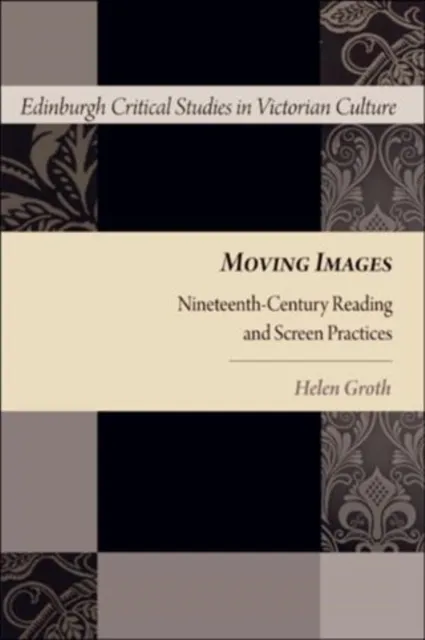
Moving Images
Nineteenth-Century Reading and Screen Practices

Examines the moving image in relation to nineteenth-century literature, theories of mind, and visual media
This book examines how the productive interplay between nineteenth-century literary and visual media paralleled the emergence of a modern psychological understanding of the ways in which reading, viewing and dreaming generate moving images in the mind. Reading between these parallel histories of mind and media reveals a dynamic conceptual, aesthetic and technological engagement with the moving image that, in turn, produces a new understanding of the production and circulation of the work of key nineteenth-century writers, such as Lord Byron, Walter Scott, Lewis Carroll, Charles Dickens and William Makepeace Thackeray. As Helen Groth shows, this engagement is both typical of the nineteenth-century in its preoccupation with questions of automatism and volition (unconscious and conscious thought), spirit and materiality, art and machine, but also definitively modern in its secular articulation of the instructive and entertaining applications of making images move both inside and outside the mind.
Key Features
Considers the impact of the dramatic transformations in print and visual culture on our understanding of the production, circulation and mediation of works by Byron, Scott, Thackeray, Carroll, Dickens, Mayhew and James, as well as lesser-known writers such as Ann and Jane Taylor, Pierce Egan, Countess Blessington, and George Sims. Provides a new perspective on the conventional opposition of the early cinema of attractions to the immersive absorption of both nineteenth-century literary formations and later classical narrative cinema.