$80.99
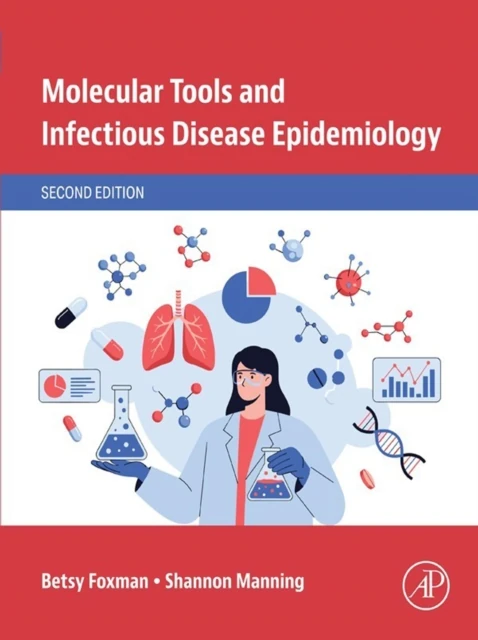
Molecular Tools and Infectious Disease Epidemiology

Summary
Molecular Tools and Infectious Disease Epidemiology, Second Edition examines the opportunities and methodologic challenges in the application of modern molecular genetic and biologic techniques to infectious disease epidemiology.
The application of these techniques dramatically improves the measurement of disease and putative risk factors, increasing our ability to detect and track outbreaks, identify risk factors and detect new infectious agents. However, integration of these techniques into epidemiologic studies also poses new challenges in the design, conduct, and analysis.
This book presents the key points of consideration when integrating molecular biology and epidemiology; discusses how using molecular tools in epidemiologic research affects program design and conduct; considers the ethical concerns that arise in molecular epidemiologic studies; and provides a context for understanding and interpreting scientific literature as a foundation for subsequent practical experience in the laboratory and in the field.
Intended Audience
The book is recommended for graduate and advanced undergraduate students studying infectious disease epidemiology and molecular epidemiology; and for the epidemiologist wishing to integrate molecular techniques into their studies.
Key Points
Presents key points of consideration when integrating molecular biology and epidemiology
Discusses how using molecular tools in epidemiologic research affects program design and conduct
Considers the ethical concerns that arise in molecular epidemiologic studies
Provides a context for understanding and interpreting scientific literature as a foundation for subsequent practical experience in the laboratory, and in the field