$88.99
Modernism and Physical Illness
Sick Books

Introduction
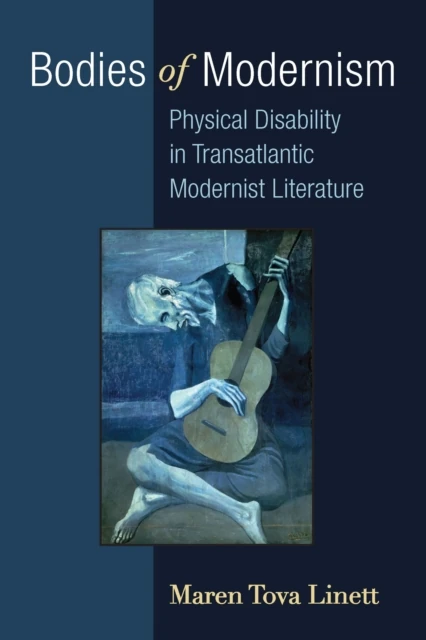
T. S. Eliot memorably said that separation of the man who suffers from the mind that creates is the root of good poetry. This book argues that this is wrong. Beginning from Virginia Woolf's On Being Ill, it demonstrates that modernism is, on the contrary, invested in physical illness as a subject, method, and stylizing force.
Illness in Modernist Writing
Experience of physical ailments, from the fleeting to the fatal, the familiar to the unusual, structures the writing of the modernists, both as sufferers and onlookers. Illness reorients the relation to, and appearance of, the world, making it appear newly strange; it determines the character of human interactions and models of behaviour.
Thematic Significance
As a topic, illness requires new ways of writing and thinking, altered ideas of the subject, and a re-examination of the roles of invalids and carers. This book reads the work of five authors, who are also known for their illness, hypochondria, or medical work: D. H. Lawrence, Virginia Woolf, T. S. Eliot, Dorothy Richardson, and Winifred Holtby.
Conclusion
It overturns the assumption that illness is a simple obstacle to creativity and instead argues that it is a subject of careful thought and cultural significance.