Mixed Blood Indians

$35.99

Taxes may apply at checkout.

Mixed Blood Indians

Racial Construction in the Early South

History of the Americas History Social and cultural history Ethnic groups and multicultural studies Indigenous peoples Sociology: family and relationships Anthropology Human biology

Author: Theda Perdue

Dinosaur mascot

Language: English

Published by: University of Georgia Press

Published on: 25th January 2010

Format: LCP-protected ePub

ISBN: 9780820327167


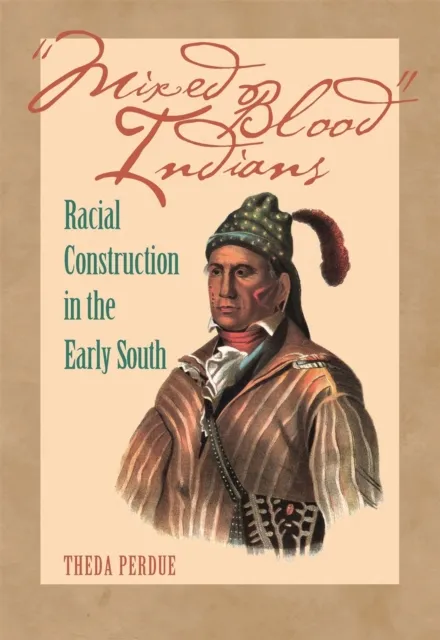
On the southern frontier in the eighteenth and early nineteenth centuries, European men-including traders, soldiers, and government agents-sometimes married Native women. Children of these unions were known by whites as “half-breeds.” The Indian societies into which they were born, however, had no corresponding concepts of race or “blood.” Moreover, counter to European customs and laws, Native lineage was traced through the mother only. No familial status or rights stemmed from the father.

“Mixed Blood” Indians

looks at a fascinating array of such birth- and kin-related issues as they were alternately misunderstood and astutely exploited by both Native and European cultures. Theda Perdue discusses the assimilation of non-Indians into Native societies, their descendants' participation in tribal life, and the white cultural assumptions conveyed in the designation “mixed blood.” In addition to unions between European men and Native women, Perdue also considers the special cases arising from the presence of white women and African men and women in Indian society.

From the colonial through the early national era, “mixed bloods” were often in the middle of struggles between white expansionism and Native cultural survival. That these “half-breeds” often resisted appeals to their “civilized” blood helped foster an enduring image of Natives as fickle allies of white politicians, missionaries, and entrepreneurs. “Mixed Blood” Indians rereads a number of early writings to show us the Native outlook on these misperceptions and to make clear that race is too simple a measure of their-or any peoples'-motives.

Show moreShow less