$238.99
Microalgae Biotechnology and Sustainable Development

Introduction
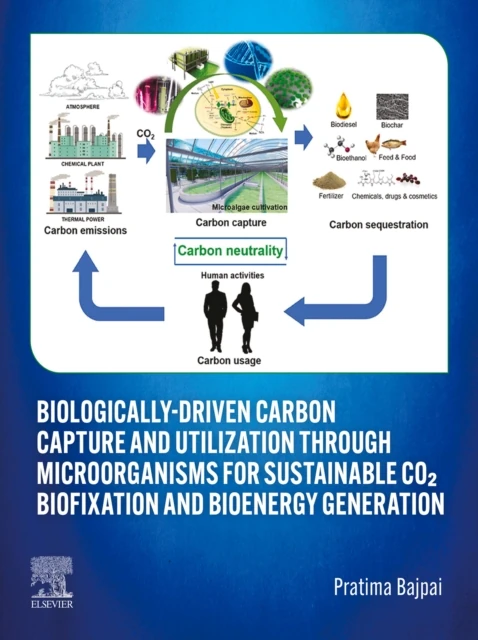
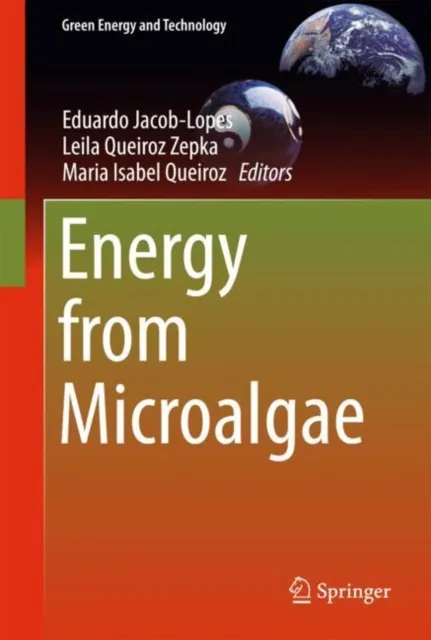
This book highlights the main challenges of utilizing microalgae biotechnology with chemical absorption technologies as a combined technique for applications in biofixation of carbon dioxide (CO2) and feedstock production for biofuels and other bioproducts.
The higher carbon dioxide (CO2) concentration in the atmosphere has been widely associated with global warming and climate change. Thus, chemical, physical and biological methods have been studied as strategies to capture CO2.
CO2 Biofixation by Microalgae
This book looks at the biological method of CO2 fixation by microalgae (or CO2 biofixation), which stands out because, in addition to capturing this greenhouse gas (GHG), microalgae convert it into biomass that can be applied as a feedstock for biofuels and other bioproducts.
It also describes the cultivation of microalgae using waste resources such as flue gas and wastewater as nutrients for their growth. However, the efficiency of CO2 biofixation by microalgae may be a limiting factor in this process.
Integration with Chemical Absorption
This book demonstrates the integration with another method, chemical absorption, as an alternative not only to improve the CO2 fixation, but also to produce biomass with higher applicability, due to the increase in the biomolecule concentration such as proteins, carbohydrates, and lipids, exopolysaccharides, and pigments.
Target Audience
The book is also useful to postgraduate researchers and academics, biotechnologists and industrial practitioners interested in minimizing carbon footprint via microalgae as a biological capture and production of other bioproducts.