$64.99
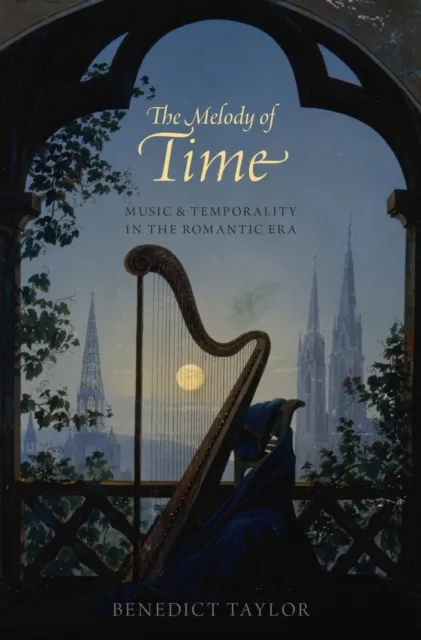
Melody of Time
Music and Temporality in the Romantic Era

From the Romantic era onwards, music has been seen as the most quintessentially temporal art, possessing a unique capacity to invoke the human experience of time. Through its play of themes and recurrence of events, music has the ability to stylise in multiple ways our temporal relation to the world, with far-reaching implications for modern conceptions of memory, subjectivity, personal and collective identity, and history.
Time, as philosophers, scientists and writers have found throughout history, is notoriously hard to define. Yet music, seemingly bound up so intimately with the nature of time, might well be understood as disclosing aspects of human temporality unavailable to other modes of inquiry, and accordingly was frequently granted a privileged position in nineteenth-century thought.
The Melody of Time
examines the multiple ways in which music relates to, and may provide insight into, the problematics of human time. Each chapter explores a specific theme in the philosophy of time as expressed through music: the purported timelessness of Beethoven's late works or the nostalgic impulses of Schubert's music; the use of music by philosophers as a means to explicate the aporias of temporal existence or as a medium suggestive of the varying possible structures of time; and, a reflection of a particular culture's sense of historical progress or the expression of the intangible spirit behind the course of human history itself. Moving fluidly between cultural context and historical reception, competing philosophical theories of time and close reading of the repertoire, Benedict Taylor argues for the continued importance of engaging with music's temporality in understanding the significance of music within society and human experience. At once historical, analytical, critical, and ultimately hermeneutic, The Melody of Time provides both fresh insight into many familiar nineteenth-century pieces and a rich theoretical basis for future research.