$93.99
Melisma
Wordless Song in Medieval Chant

Melisma in Medieval Music
In the written record of music in the West, there are many examples of long melodies sung to a single vowel with no other text; but in almost all cases that vowel is part of a syllable in a word, which in turn is part of a longer text; that text is interrupted--or prolonged--by the extension of its vowel to a greater or lesser extent by that string of notes. Melisma is the word we use to describe this series of notes.
Medieval thinkers such as St. Augustine, St. Jerome, and many others speak of the ineffable joy that cannot be expressed in words when music passes beyond the realm of words into that of pure praise. Most often the word describes those long florid passages that occur in medieval liturgical song--especially in solo chants, and especially in the music designed for the schola, the experienced singers.
The Study of Melisma
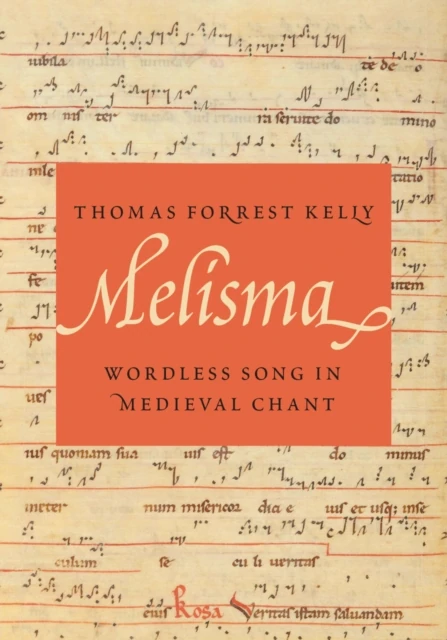
This book is about the melisma as a phenomenon, how it works, how melismas appear when they are written in chant, and how they function as part of a text and as part of a song. Many scholars have dealt with this body of music, but this is the first book to treat it as a self-standing subject. Using the evidence of medieval creative minds, Thomas Forrest Kelly uncovers how melismas were heard, analyzed, and performed by medieval singers.
He presents a vast assemblage of information: past studies are reviewed and analysed, and many medieval manuscripts are brought to bear through facsimiles. The chief investigative tool is the various sets of contemplative words that medieval creators added to melismas: careful study reveals that the words, and their patterning, their grouping, their accentuation, often reflect the poet's understanding of the underlying melisma.
Understanding Medieval Music
If we attend carefully to the surviving manuscript evidence, Kelly posits, we can hear those wordless flights of music in something like their original form. Contributing to a deeper understanding of how medieval scribes wrote music and how medieval singers understood and sang it, these insights influence our understanding of music in the largest sense.